MBZUH Publications
Explore our curated collection of academic and literary publications
Loading...
Explore our curated collection of academic and literary publications
Loading...
Explore our curated collection of academic and literary publications
Loading...
534 pages
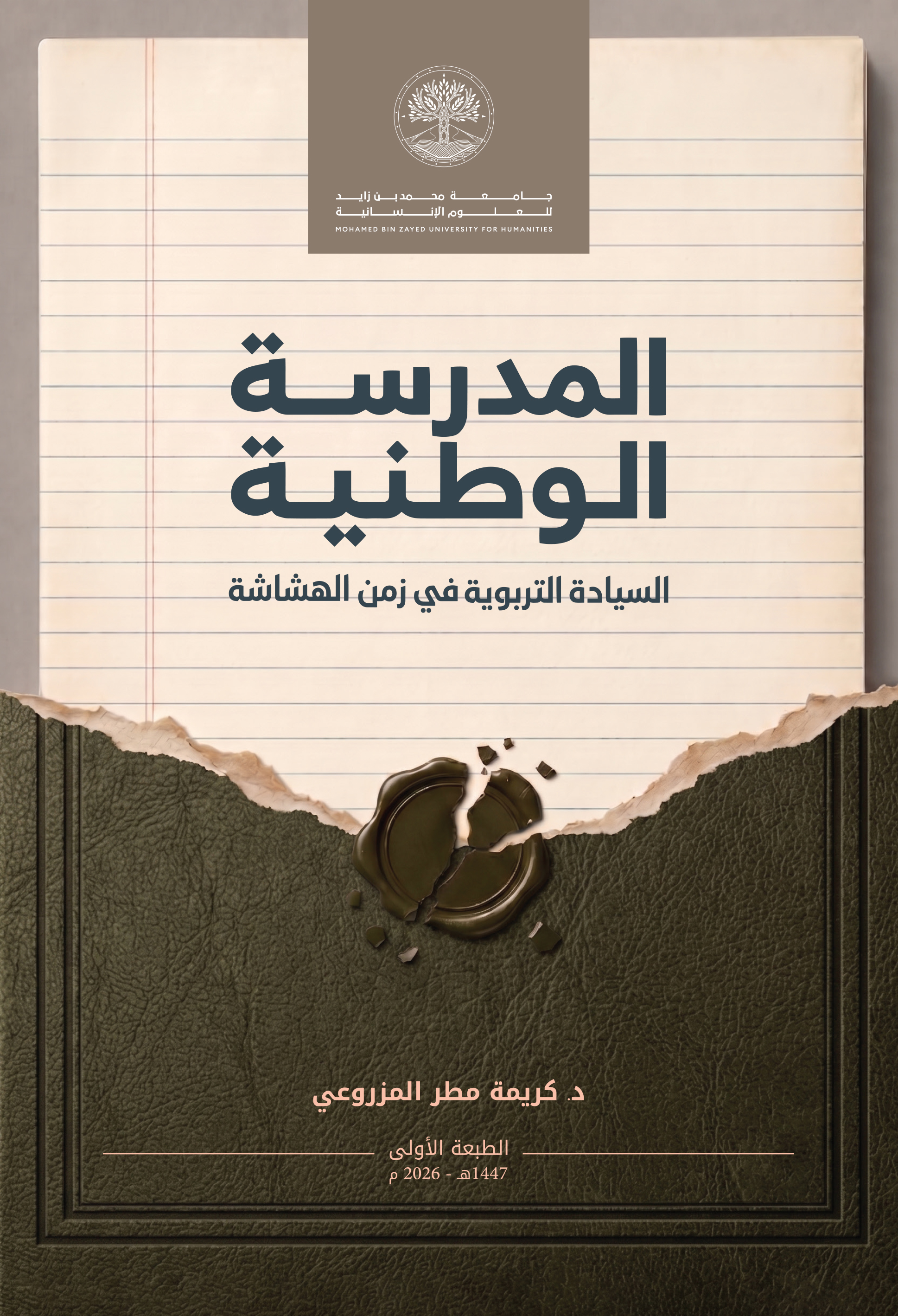
The states of the twenty-first century will not be divided along lines of wealth and poverty, democracy and authoritarianism, but between states that have preserved their capacity to shape the consciousness of successive generations and states that have lost it silently and almost unnoticed. In the twentieth century, the school stood at the heart of modern state-building. In the twenty-first, that same institution has become a site of the state’s erosion. The school is no longer the child’s only source of learning, but it remains the last institution through which the state can shape how its children relate to public life, the nation, and a shared future. When that bond weakens, the consequences are not immediately visible in examination results. They emerge instead in declining trust, weakened belonging, a more fragile collective consciousness, and the state’s diminished ability to carry its project forward across generations. This book introduces the concept of “educational sovereignty” as a new framework for understanding the relationship between education and the stability of the modern state. It starts from a single question: what happens to the state when the school loses its capacity to shape the shared space in which its people live together? This is not a book about education reform. It is a book about what happens to states when the meaning of the school changes. When the history of this century is rewritten, it will not be wars or artificial intelligence that define it, but what happened to schools.
276 pages
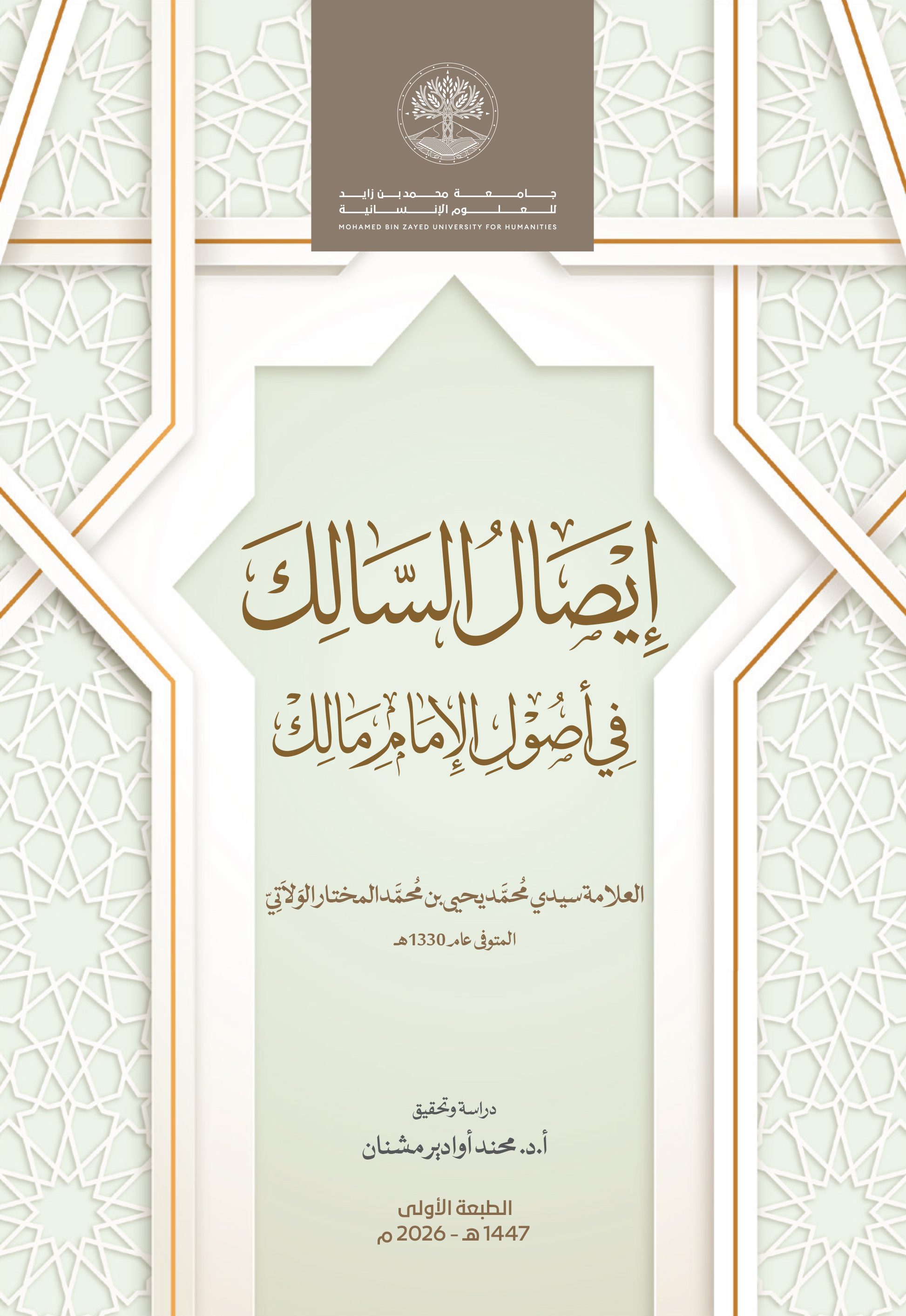
"Guiding the Seeker to the Principles of Imam Malik", by the eminent scholar and critical editor Muhammad Yahya al-Walati, is regarded as one of the valuable later works on the principles of the Maliki school. It offers a precise key to understanding these principles, explaining and analysing the sixteen foundational elements of the school arranged in verse by the scholar Ibn Abi Kaff. It does so in a rigorous scholarly style that combines depth of theoretical exposition with accomplished practical application, drawing on textual evidence and examples from the Qur’an and the Sunnah to apply jurisprudential principles to subsidiary legal rulings. The work also includes a valuable appendix on overarching legal maxims. What distinguishes this critical scholarly edition, published by Mohamed bin Zayed University for Humanities, is that it appears for the first time as an edition critically established on the basis of five manuscripts. This has made it possible to produce a text of exceptional accuracy and editorial refinement, with substantial corrections and precise revisions to previous editions, alongside careful attention to the scholarly presentation of the work, annotation, and the preparation of its indexes. It is therefore a pioneering edition, indispensable to every specialised researcher and academic, placing in their hands a critically edited and documented distillation of Maliki legal principles that meets the expectations of professors, researchers and students, and enriches the Maliki juristic library.
106 pages
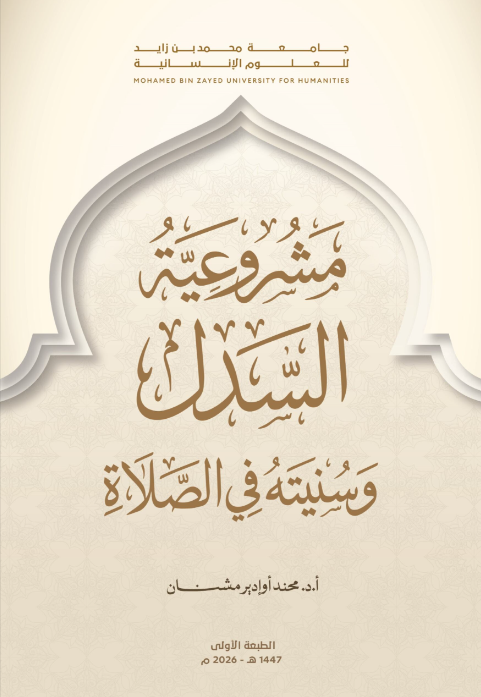
الاختلاف الفقهي وتنوّع وجوه الاستنباط من محاسن الشريعة الإسلامية، ومظهر لسعتها ورحمتها. غير أنَّ بعض من تعرضوا لمسائل الخلاف جنحوا إلى تضييق ما وسعه الشرع، وأنكروا في مسائل الاجتهاد التي لا ينبغي فيها الإنكار، كما وقع في مسألة القبض والسدل، حتى أنكر القابض على السادل، وأنكر السادل على القابض. وفي هذا السياق يأتي كتاب «مشروعية السدل وسنيته في الصلاة» ليقدم معالجة تأصيلية هادئة للمسألة، انطلاقًا من رؤية فقهية متزنة، مبنية على فكرة أنَّ (القبض سنة، والسدل سنة)، فمع أن الكتاب مخصص لإثبات مشروعية السدل وسنيته استنادًا إلى أصول وأدلة شرعية كعمل أهل المدينة، فإنه لا يلغي سنية القبض ولا ينكرها. ومن خصائصه أنه: ـ يوظف القواعد الأصولية الحاكمة لمسائل الخلاف. ـ يصحح مفهوم حصرية السُّنة في هيئة واحدة. ـ يرسخ ثقافة أدب الاختلاف واحترام التنوع الفقهي. إن هذا العمل لا يقصد أبدا الانتصار لرأي فقهي بعينه؛ بل يحاول التحصين من التعصب والتضييق، واستحضار فقه الائتلاف في مظلة سعة الشريعة وسماحتها.
258 pages
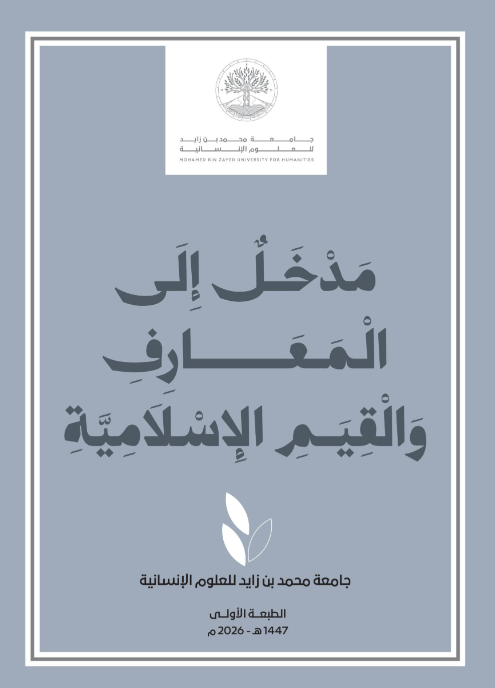
An Introduction to Islamic Knowledge and Values offers a solid body of scholarship, a substantial store of knowledge, and a sound intellectual reference point. It combines a coherent methodological structure with a formative ethical dimension. In doing so, it serves as a moral and practical guide, illuminating the foundations of Islamic knowledge and the human values that every individual should understand and embody. Such understanding enables a person to act with clarity and insight, deepen knowledge, elevate the heart, refine the self, and lead a more upright life. The book seeks to build an integrated body of Islamic knowledge that uplifts the human being intellectually and spiritually, drawing on a firmly rooted religious and national reference framework that seeks to engage the challenges of modern thought and offer a balanced vision. It also calls for the recovery of a value-based reference framework inspired by Islam in both thought and conduct, for the formation of the mind in the light of revelation, and for the shaping of consciousness through enduring values in a manner consistent with the principles of national citizenship and cultural pluralism. At the same time, it rejects excess and deviation on the one hand, and rigidity and insularity on the other. It further calls for these values to be brought meaningfully into contemporary life so that they become lived principles reflected in a person’s words, actions, and relationships.
196 pages
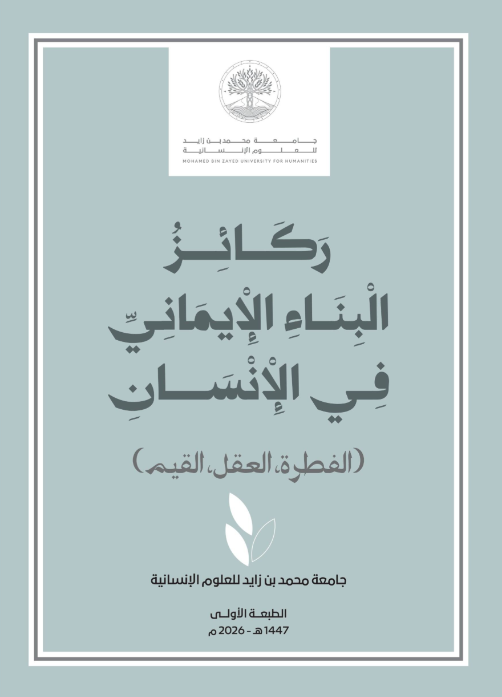
At a time when the contemporary world is marked by conceptual confusion, moral upheaval, and growing distortion of innate human constants, there is an urgent need for a rigorous intellectual discourse. Such a discourse must rebuild the relationship between the human being and religion, between reason and revelation, and between innate disposition and moral responsibility, so that these concepts and values may be restored to their proper foundations after multiple forms of distortion. This book therefore seeks to develop an integrated intellectual vision of a set of pivotal concepts indispensable to doctrinal, intellectual, and educational formation. Its concepts are developed according to a precise scholarly methodology that balances text, reason, innate disposition, and science, and combines grounding with analysis in a concise and rigorous scholarly style. The book comprises a collection of studies addressing central concepts in human and religious thought. It affirms that sound innate disposition, right reason, human values, and infallible revelation are fundamental pillars that work together in forming the well-balanced human being, consolidating the concepts that preserve human nature and uphold human dignity, and opening the way to a sound understanding capable of shaping a balanced and aware generation able to bear the trust of the human being in existence.
240 pages
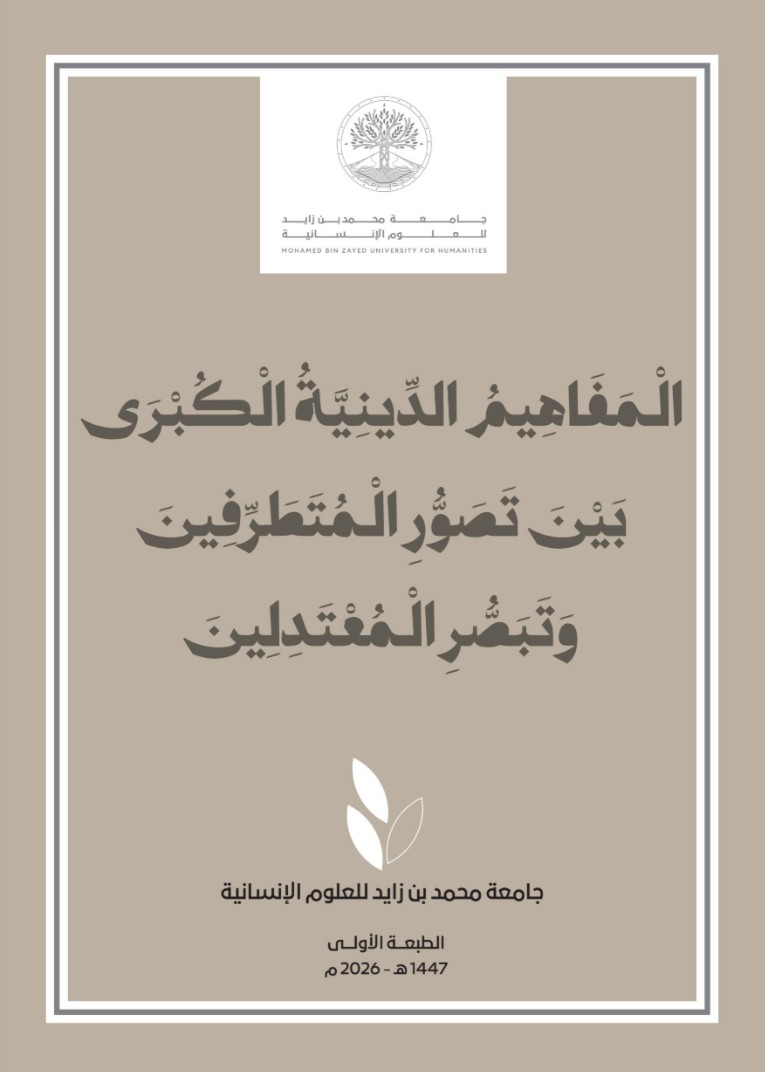
Amid contemporary intellectual challenges and continuing attempts to appropriate religious texts and interpret them apart from their broader purposes and recognised contexts, extremist readings have emerged. These readings have led to the excommunication of entire societies, the legitimisation of bloodshed, and the deepening of division. This has made it necessary to develop a rigorous scholarly project capable of confronting this deviation at its roots, correcting the concepts that have become distorted within extremist thought, and restoring them to their proper course in the light of the Noble Qur’an, the sound Prophetic guidance, and the higher purposes of religion. Against this background, this book, Major Religious Concepts between Extremist Conceptions and Moderate Understanding, seeks to establish a coherent intellectual vision that reconstructs the central concepts of religious discourse within an integrated legal-religious framework. It promotes the values of moderation, dismantles extremist discourse, and offers a sound reading of religious texts in the light of the spirit and purposes of the Sharia. The book addresses eighteen pivotal concepts that constitute the main pillars of the intellectual structure of extremist groups, concepts that have been exploited, distorted, and ideologically instrumentalised. It seeks to expose the flaws in their understanding, clarify their true meaning, and indicate the soundest way of applying them, so as to restore them to their proper legal-religious context and to highlight the integral relationship between the text and its purposes.
234 pages
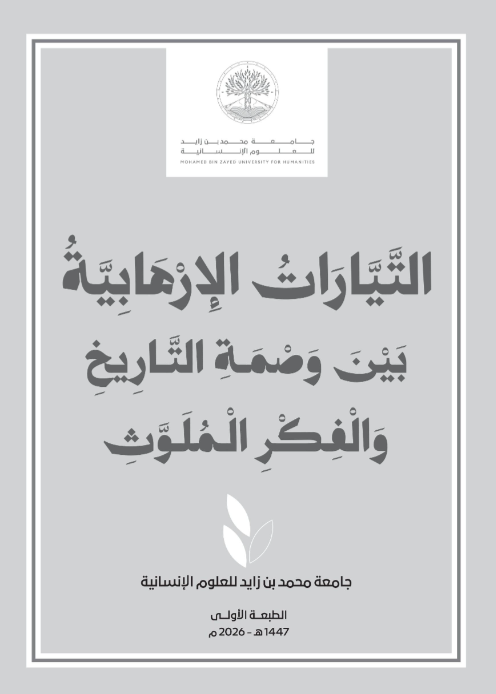
يتناول هذا الكتاب جذور نشأة التيارات الإرهابية من الإخوان إلى داعش، كاشفًا دورها في تغذية العنف وتهديد الأمن الفكري والمجتمعي. ويقدّم قراءة نقدية معمّقة ومركزة للمفاهيم التي أعادت هذه التنظيمات تأويلها خارج سياقاتها الشرعية والتاريخية، مستندة إلى توظيف انتقائي للنصوص الدينية بما يخدم أهدافها الأيديولوجية ومصالحها الحزبية. يتناول الكتاب في قسمه الأول نبذة عن تاريخ التيارات الإرهابية، ودورها في صناعة التطرف، وتوظيف العنف، وتهديد الأمن الفكري، ثم يتناول في القسم الثاني المفاهيم الشرعية المختطفة من طرف تنظيم الإخوان المسلمين الإرهابي، معتمدًا – أولًا – على عرض التأصيل الصحيح لهذه المفاهيم، ثم مبيّنًا أوجه الخلل في توظيفها، مبرزًا صورة اختطاف المفاهيم الشرعية وسبُل تحويلها إلى أدوات حزبية ضيقة، الأمر الذي أدى إلى انحراف سلوكي يستند إلى انحراف فكري. وبذلك يضع الكتاب القارئ أمام صورة واضحة تساعده على التمييز بين الفهم الصحيح للمفاهيم الشرعية والنصوص الدينية من جهة؛ وبين التأويلات المنحرفة المخالفة لمقاصد الشريعة، التي أسهمت في صناعة التطرف، وهددت أمن الفرد واستقرار المجتمع من جهة أخرى.
460 pages
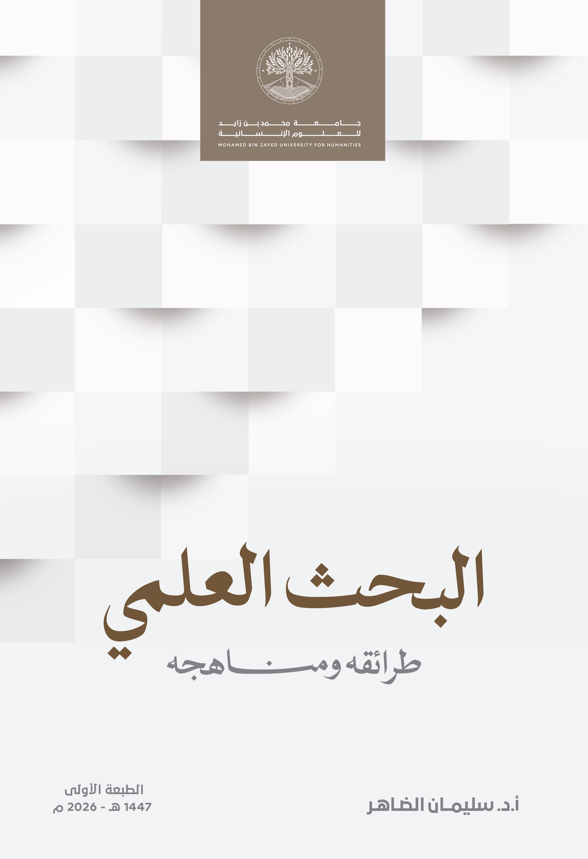
The preparation of academic research is one of the principal outcomes of undergraduate education, alongside the acquisition of knowledge and subject-specific competencies. Its importance becomes even greater at postgraduate level, where it provides the methodological framework for the preparation of scholarly articles and master’s and doctoral theses. In view of this importance, this book examines scientific research in both its theoretical and practical dimensions. It begins by defining the concept of research, its types, and its ethics, and by outlining its methodological foundations and the principles that govern sound academic work. It also surveys the main research methods, the criteria for selecting them, and the ways in which they may be used in academic studies. In addition, the book addresses the stages of preparing, writing, documenting, and presenting research in accordance with the recognised academic standards required for the award of a degree. It also takes account of contemporary methodological developments arising from technological progress, particularly the use of artificial intelligence tools in the research process within a framework of academic and ethical responsibility.
568 pages
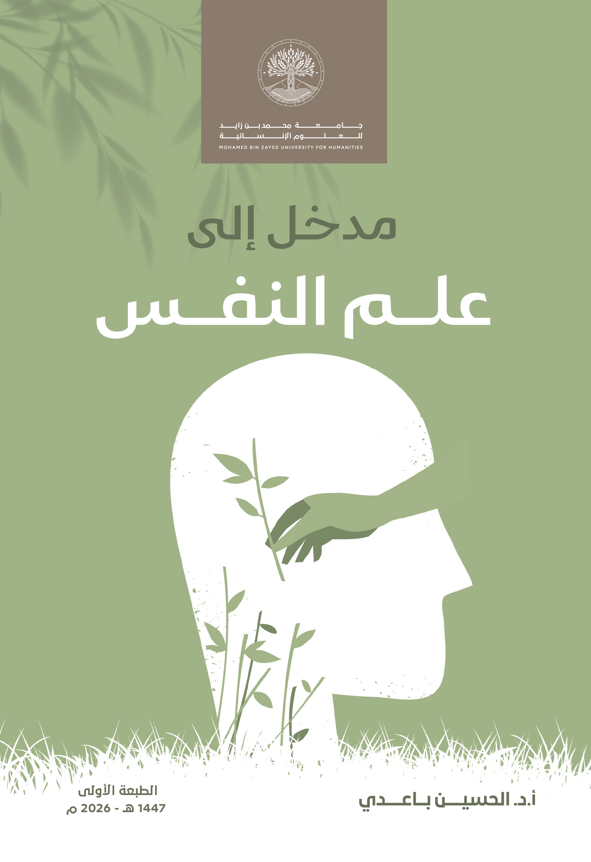
This book offers a systematic scholarly introduction to psychology as a field of knowledge concerned with the study of human behaviour in its cognitive, emotional, and social dimensions. It adopts a structured academic approach that brings together theoretical foundations and modern methodological perspectives, enabling the reader to develop a comprehensive understanding of the nature and complexity of psychological phenomena. The book analyses human behaviour in its various contexts, highlighting the interaction of internal and external factors in shaping it. It also clarifies the role of psychology in understanding, explaining, predicting, and intervening in behaviour with the aim of improving psychological and social adjustment. It also presents an integrated perspective that encompasses the contributions of both classical schools of psychology and contemporary trends. The book aims to cultivate the reader’s critical and creative thinking and to enable them to understand and analyse psychological concepts and phenomena on a sound scientific basis. It is intended as an academic reference for students, researchers, and all those interested in the study of human behaviour.
1284 pages
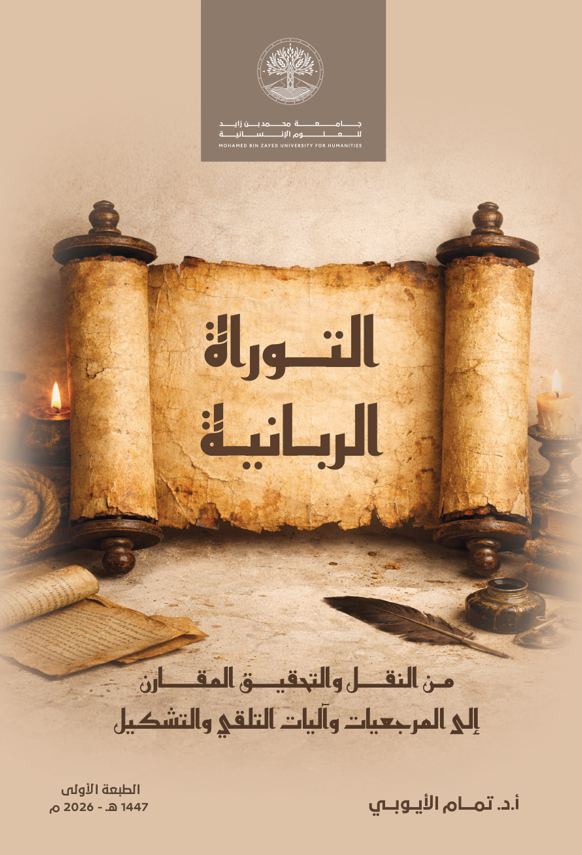
This book examines the Rabbinic Torah as an interactive intellectual product that extends beyond mere transmission from Hebrew into Arabic. Rather, it embodies a civilisational moment in which the spirit of two languages converged and two religious traditions coexisted within a single epistemic space through the incorporation of multiple cultural contexts and frames of reference. It traces the journey of the Pentateuch (the first five books of the Torah) from its Hebrew source, then its Aramaic form, and finally to its Arabic-Jewish structure as fashioned by the rabbi Saadia al-Fayyumi in a style that combines philological precision with interpretive openness. Drawing on authentic rabbinic manuscripts that have been critically edited and compared with scholarly and methodological rigour, the book thus establishes a pivotal stage in the formation of the Arabic-Jewish text. This work represents an extension of a cross-religious cultural project and reaches far beyond translation alone. Within it, Islamic and Jewish religious reference points converge with Arabic, Aramaic, and Semitic linguistic sources, thus reshaping the sacred through the interaction of its written and oral forms. In doing so, it reveals the possibilities of deep intercultural exchange, with all the voices, dialects, and interpretations that this entails. The book also reconstructs the text on the basis of foundational primary rabbinic manuscripts that have not been altered or modified in either their Aramaic or Arabic-Jewish form, accompanied by meticulous critical editing that reveals the modes of reception in works of heritage and exegesis, as well as the strategies of translation and textual reconfiguration. This is a book that does not simply recover a text. It illuminates an entire civilisational structure, offers a model for intellectual and religious understanding and mutual recognition, and opens a horizon for research into the intersection of languages with the sacred, at a time when we...
352 pages
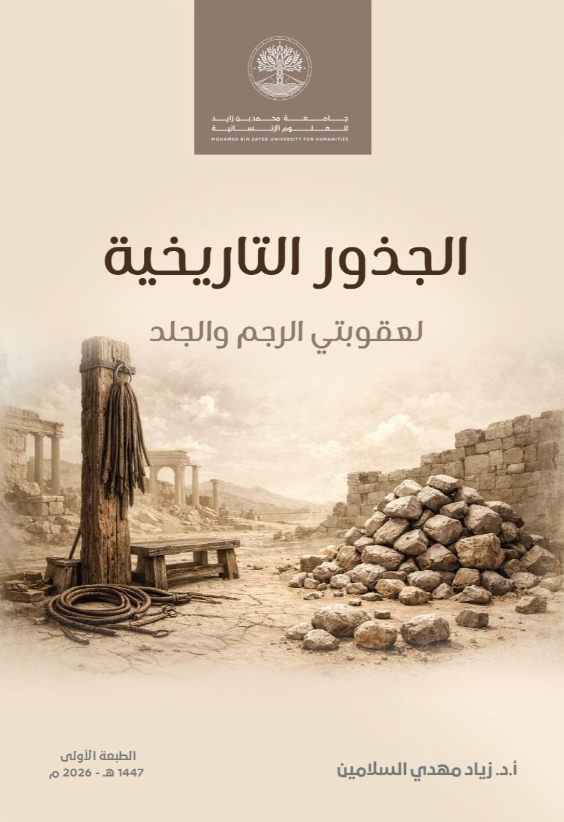
يبحث هذا الكتاب في الجذور التاريخية والتشريعية لعقوبتي الرجم والجلد في حضارات العالم القديم منذ الألفية الثالثة قبل الميلاد وحتى بدايات العصر الإسلامي. ويتناول بالدراسة والتحليل السياقات القانونية والاجتماعية والدينية التي نشأت في إطارها هاتان العقوبتان، مبرزًا طبيعة الجرائم التي استوجبت تطبيقهما، وطرائق تنفيذهما، وما حملتاه من دلالات رمزية ووظيفية داخل البنى السياسية والاجتماعية المختلفة. وقد اعتمد المؤلف على طيف واسع من المصادر، شملت النصوص القانونية القديمة، والكتابات التاريخية، والمصادر الدينية، والشواهد الأثرية المصوّرة، مما أتاح بناء رؤية مقارنة شاملة لتطوّر العقوبتين عبر الحضارات.
218 pages
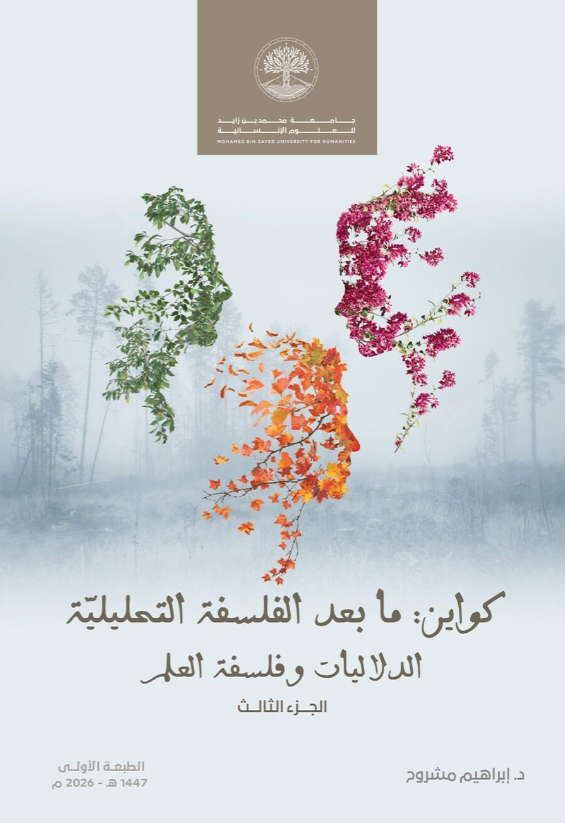
With this third and final part, we seek, as far as possible, to complete our account of Quine’s philosophy. In doing so, we focus on the place of semantic theory in the thought of the Harvard philosopher and on the questions it raised concerning the foundations of analytic philosophy, and of logical positivism in particular. Thus, the first part addressed semantics and the philosophy of language, and this was followed by a second part in which we traced the semantic revisions of the philosophy of logic. In the present part, we turn to the distinctive shift in the philosophy of science, where Quine brought epistemology into the heart of science and advanced a position that sparked wide-ranging debate among scientists and philosophers of science, namely the naturalisation of knowledge, or what he termed naturalised epistemology. Given the overlap and interconnection of philosophical approaches, we also examine the relationship between the philosophy of science and the issues Quine raised in relation to ontology, where he advanced the position of ontological relativity, as well as the problem of translation. He showed that scientific theories may differ from one another even when they concern the same scientific reality, much as the notebooks of translators engaged in radical translation may differ when translating a people whose language has never previously been rendered into another language.
152 pages
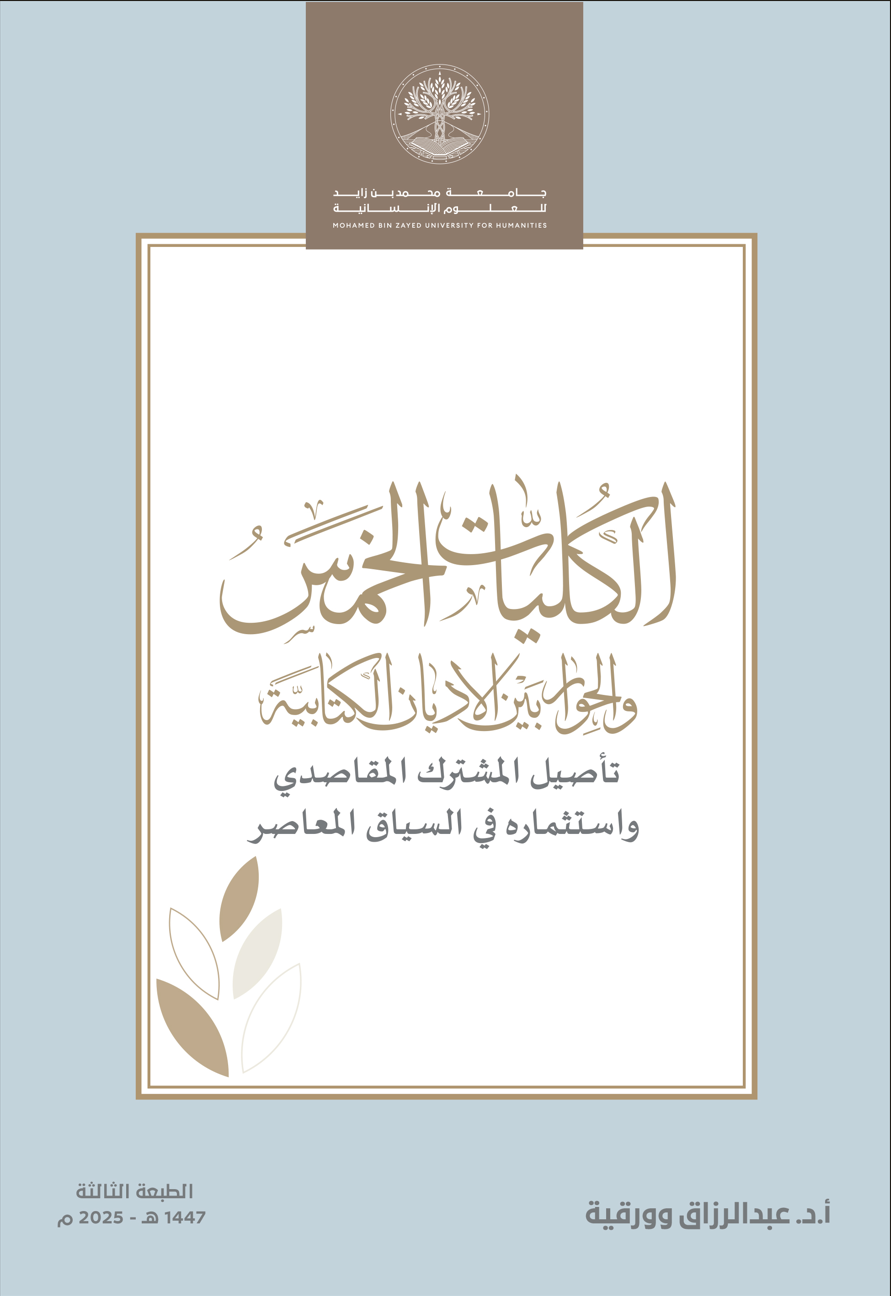
انطلق الكتاب من قاعدةٍ مقاصديةٍ أصيلةٍ تقرّر أن الكليات الخمس الضرورية مراعاةٌ في كل شريعة، واتخذ منها منطلقًا للتأمل في آفاق الحوار والتعاون بين أتباع الشرائع الكتابية على أساس المشترك الإنساني الجامع. وقد بنى الباحث فرضيته على وجود اتفاقٍ بين اليهودية والمسيحية والإسلام في المقاصد الكبرى: حفظ الدين، والنفس، والعقل، والنسل، والمال، رغم اختلاف التفاصيل بتنوّع البيئات والسياقات التاريخية. وانطلق من تأصيل الفطرة الإنسانية المشتركة التي يُعَدّ الدين جوهرها الأعمق، ليخلص إلى أن هذه الشرائع السماوية، وإن اختلفت في الجزئيات، تتوحّد في أصول الاعتقاد والمقاصد العامة التي تحفظ النظام الإنساني. ودعا الكاتب إلى استثمار هذا المشترك لتأسيس أرضيةٍ متينةٍ للحوار والتعاون، من خلال قضايا جامعة كصون الأخلاق، وترسيخ السلم، وتعزيز الأسرة، واحترام التعددية الدينية والثقافية، وحماية البيئة، تحقيقًا للكرامة والسعادة الإنسانية، ومع التعاون في تنزيل الأصول والقيم والمقاصد المشتركة الكبرى في الواقع المعاصر.
500 pages
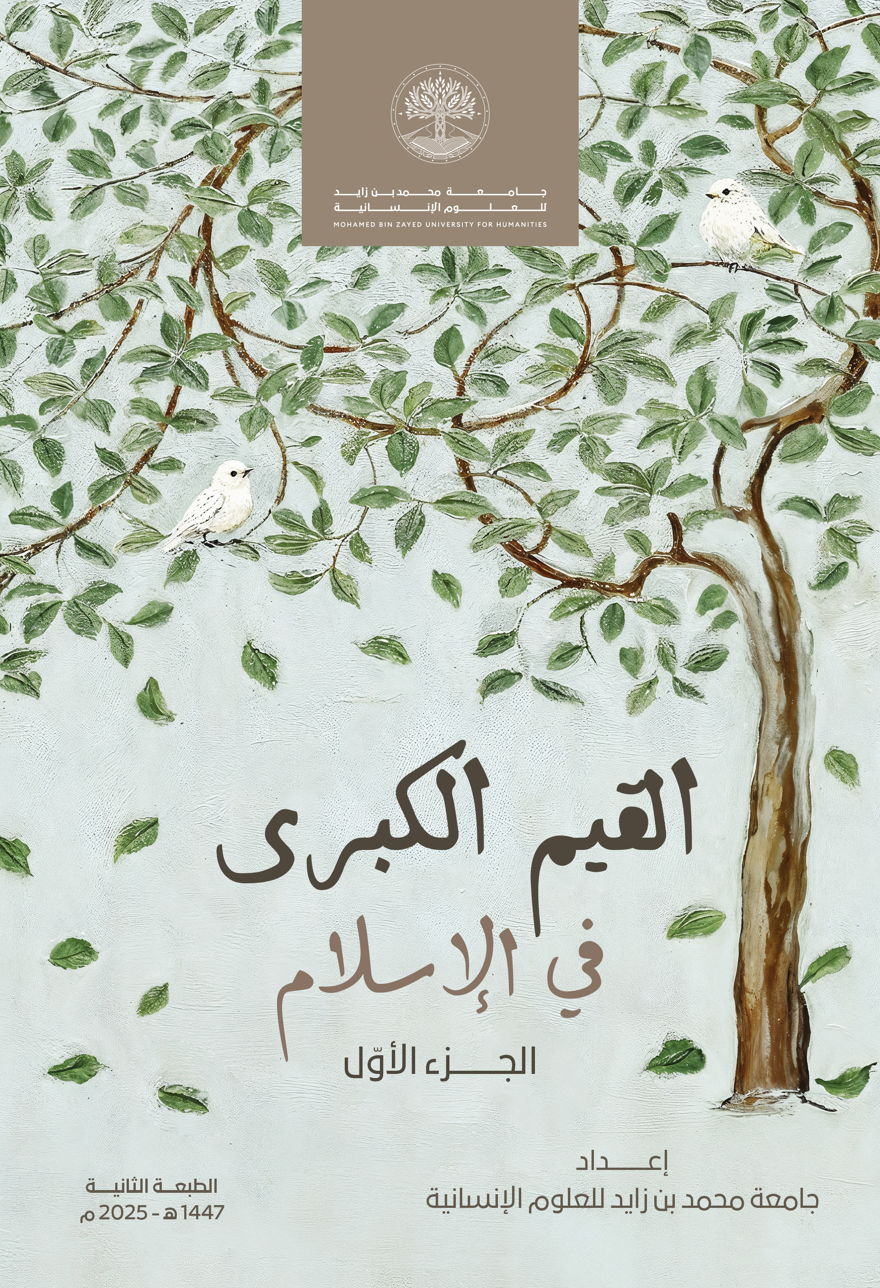
In this book, readers will explore the six core values of Islam: mercy, peace, knowledge, wisdom, self-discipline, and citizenship, along with their related sub-values. These principles play a crucial role in showcasing the radiant civilizational image of Islam, which is deeply rooted in values and aims to achieve universal well-being. This book serves as a guided reference, significantly facilitating cross-cultural communication in the modern world. It contributes to fostering a global understanding of shared values, promoting their activation, safeguarding human dignity, and ensuring the sustainability of civilization.
336 pages
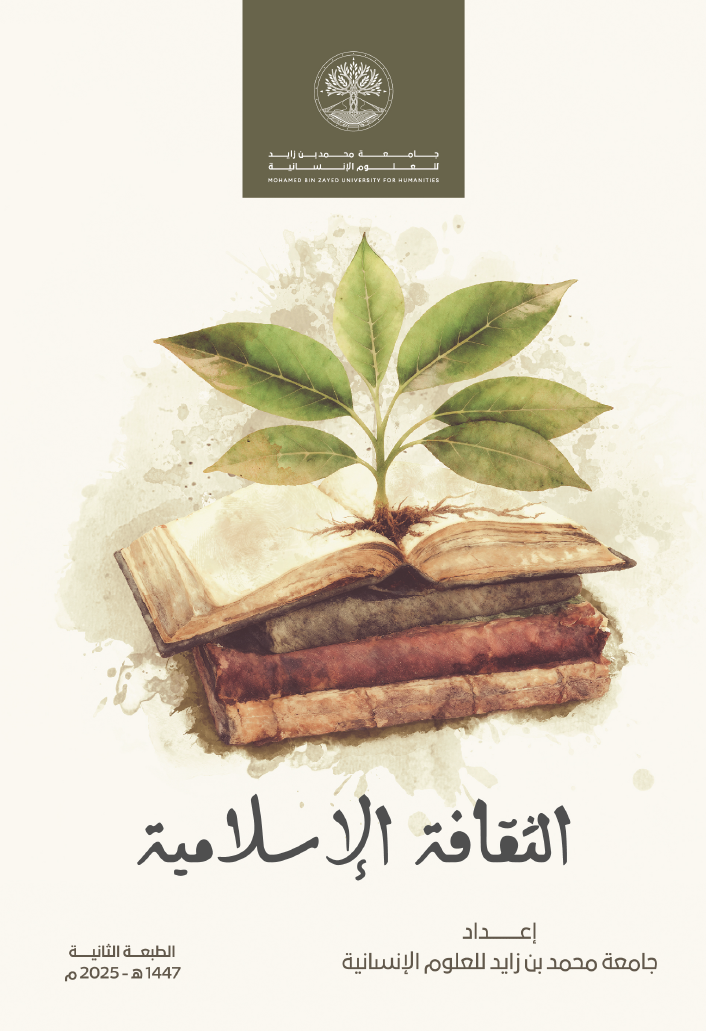
This book examines the concept of Islamic culture—its significance, key characteristics, sources, components, and influence. It aims to present an authentic image of Islamic culture rooted in the teachings of the Qur’an and the Prophetic Sunnah, while reflecting its continuous civilizational development across history. It illustrates how Islamic culture has enriched global civilization through its contributions to both natural and human sciences, resulting in notable intellectual and cultural achievements. This legacy is evident in the emergence of prominent scholars and pioneering works across various fields. It also explores the core values emphasized in Islamic teachings and discusses pressing contemporary challenges, including family issues, extremism, and threats to intellectual and social stability. The book concludes with practical recommendations for addressing these challenges and promoting human well-being through a culture grounded in Islamic ethics and open engagement with modern realities.
504 pages
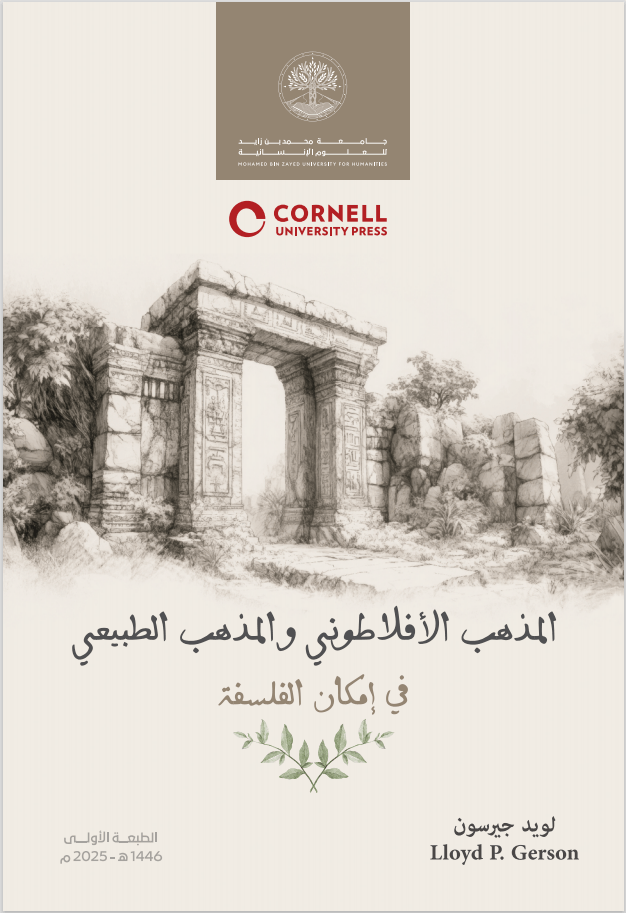
In one of his lectures titled Process and Reality: An Essay in Cosmology, the English philosopher Alfred North Whitehead famously remarked: “The safest general characterization of the European philosophical tradition is that it consists of a series of footnotes to Plato.” He clarified that he did not mean a strict systematic framework, but rather the richness of general ideas scattered throughout Plato’s writings. A Canadian scholar later affirmed Whitehead’s insight—namely Lloyd Gerson, who argued that philosophy must be Platonic or cease to be philosophy at all. Should it abandon its Platonic spirit—as some modern philosophers suggest by adopting a naturalistic worldview—this would, in Gerson’s view, mark its suicide. Why, then, must philosophy remain, at its core, Platonic? And why is it incompatible with a purely naturalistic orientation?This book sets out to explore these questions and others closely related to them.
194 pages
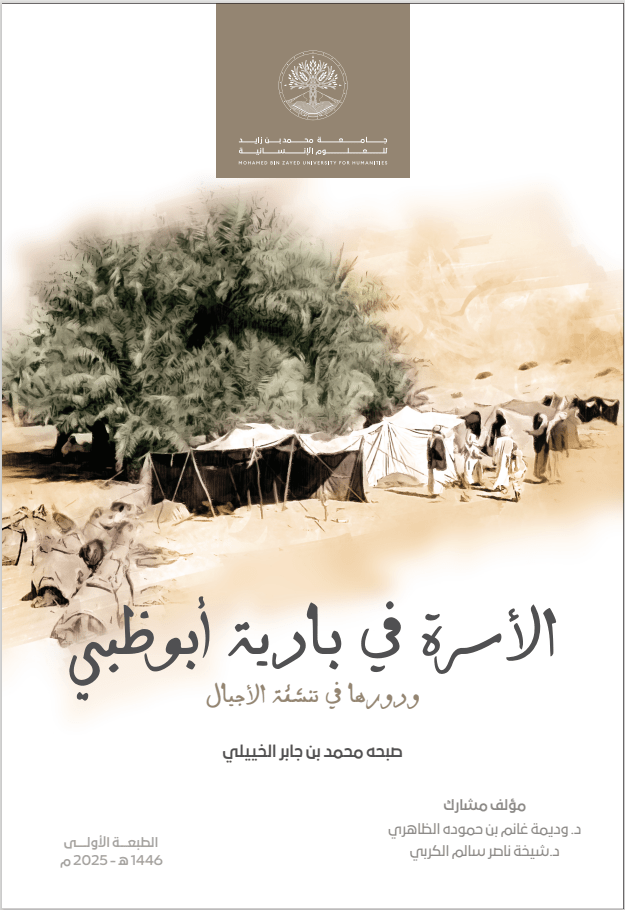
This book represents a significant intellectual contribution that underscores the pivotal role of the family in sustaining society and preserving its values. Beyond documenting the lived experiences of Abu Dhabi’s Bedouin community, it serves as a cultural bridge connecting generations, affirming the importance of memory as an authentic source of social knowledge. By highlighting the voices of those who witnessed key historical transformations, the work situates the family as a central pillar in balancing tradition with modernity, offering lessons of resilience and cohesion. More than a historical record, it is also a call to action: to honor and safeguard this heritage with the same loyalty as our predecessors, and to ensure that its values are carried forward to future generations. In doing so, it reminds us that the preservation of heritage is not a passive act of remembrance, but an active responsibility that shapes identity, fortifies unity, and secures a promising future for the nation.
97 pages
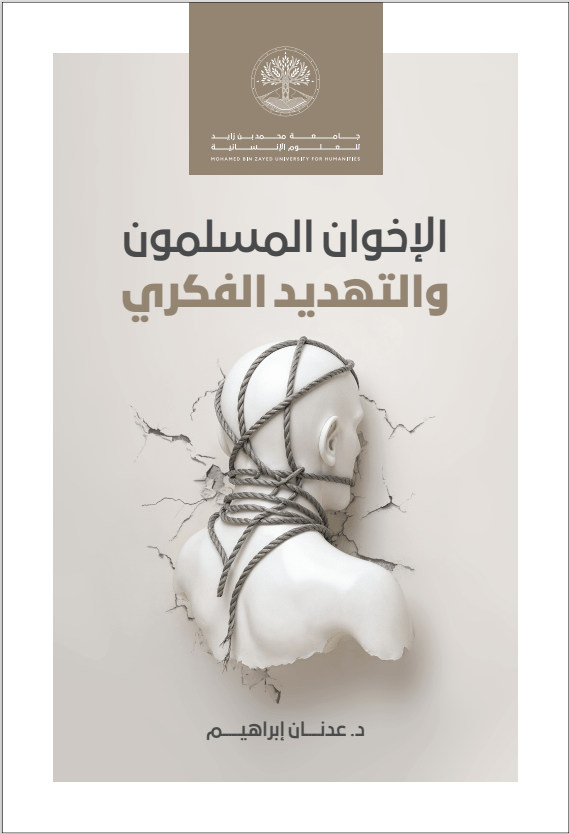
آثر الكتاب أن يجعل منطلقه في الاشتباك الفكري مع جماعة الإخوان المسلمين الثلاثة الأركان التي رفعوا عليها بناءهم الفكري برمته، ممثلة في استعادة الخلافة الإسلامية، والحاكمية، والأمة في مقابل الوطن، كاشفا بهذا الخصوص، ضمن حدود العمل الضيقة، عن صنوف من التلبيسات وضروب من التضليلات التي يعسر على العوام كشفها وتزييفها. ثم عطف الكتاب ببيان الوسائل التي اصطنعتها هذه الجماعة من أيام مؤسسها، لتحقيق أهدافها، التي لا تخطئ عين ناقدة رؤيتها على حقيقتها، بعيدا عن التمسح العاطفي بالإسلام وادعاء إشاعته ونصرته: رغبةً هوسية في السلطة والهيمنة، وتنفيذا أثيما لأجندات قوى عالمية مشبوهة، تصرُّ على تفتيت بلادنا، وإخسار قضايانا العادلة والمصيرية، ومن ثم، تركنا، أرضا وشعوبا، نهبا للطامعين وميدانا للواغلين والصائلين. وقد تخيّر الكتاب من تلكم الوسائل، خمسا، قدّر أنها الأخطر والأفعل، وهي: التراتبية الصارمة، الحصرية واحتكار تفسير الدين، الطاعوية، التقية والكذب والتلون، والإرهاب معجلا ومؤجلا. والله تعالى هو المرجو وحده، والمدعو دوما، أن يبصر المسلمين بحقيقة هذا التنظيم الخارجي المنحرف عن صحيح الدين، وأن يحفظ أمتنا وشعوبنا من مكره وشره.
248 pages
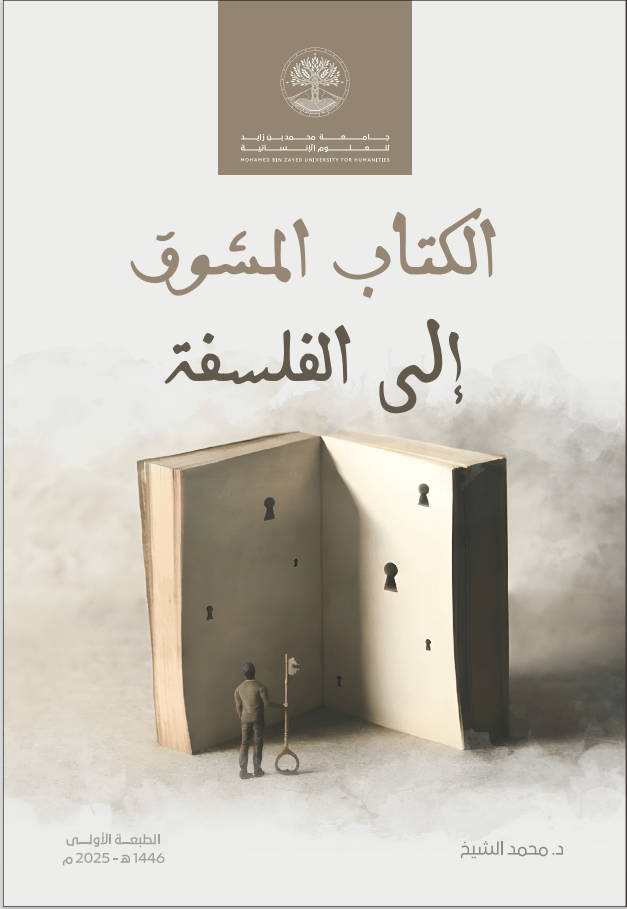
This book seeks to clarify the point of contention between critics and defenders of philosophy by addressing four fundamental questions commonly faced by those approaching the discipline. First: Why philosophy? What is its purpose, and is it truly needed? Second: For whom is philosophy? Who is its intended audience, and who truly needs it? Third: What is philosophy about? That is, what are the subjects and fields it investigates? Fourth: Where is philosophy heading? In other words, what is the direction and relevance of philosophy today? The book aims to answer these core questions in a clear and accessible manner. Ultimately, it is intended to introduce philosophy to the curious reader, to reintroduce it to those who once turned away from it, or to refresh the memory of readers already familiar with philosophy and eager to revisit the discipline with a renewed sense of connection.
219 pages
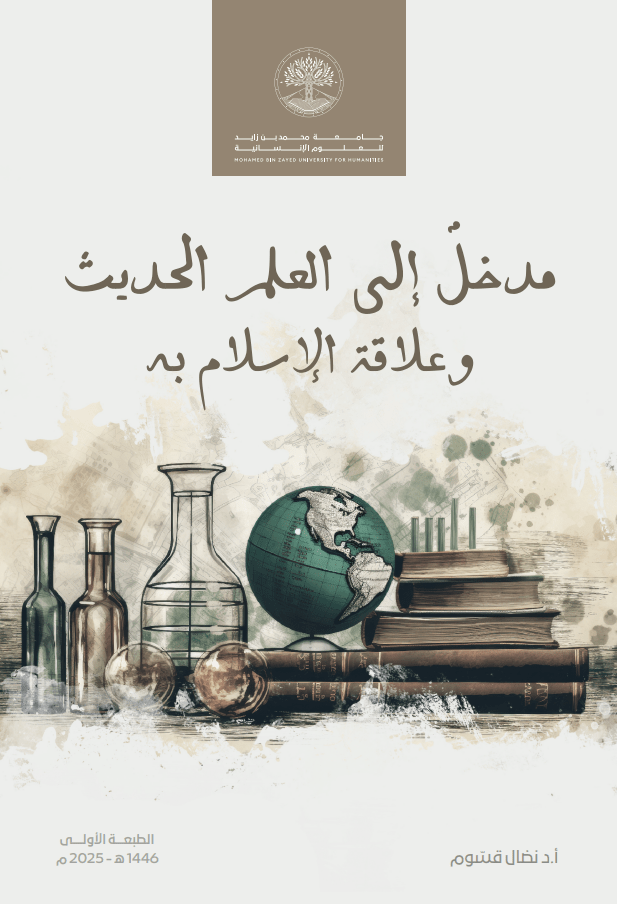
This book offers a clear and engaging introduction to modern science and to Islam’s view of it from religious, epistemological, and civilizational perspectives. Using historical reviews, fundamental questions on nature, and foundational concepts, the book traces the emergence of modern science and its distinctive methodology, arriving at the essential, established knowledge that every educated reader should possess in physics, astronomy, and biology. The book then addresses key critiques of modern science, including those raised by Muslim thinkers, and explores debated topics such as evolutionary theory, genetic engineering, and climate change, assessing their place within the Islamic worldview. At a time of mounting global developmental challenges, the book advocates for an open, mature, and responsible scientific culture, one that balances science and faith and equips people (Muslims and non-Muslims) with the necessary knowledge and tools to engage the modern world with both confidence and critical insight.
213 pages
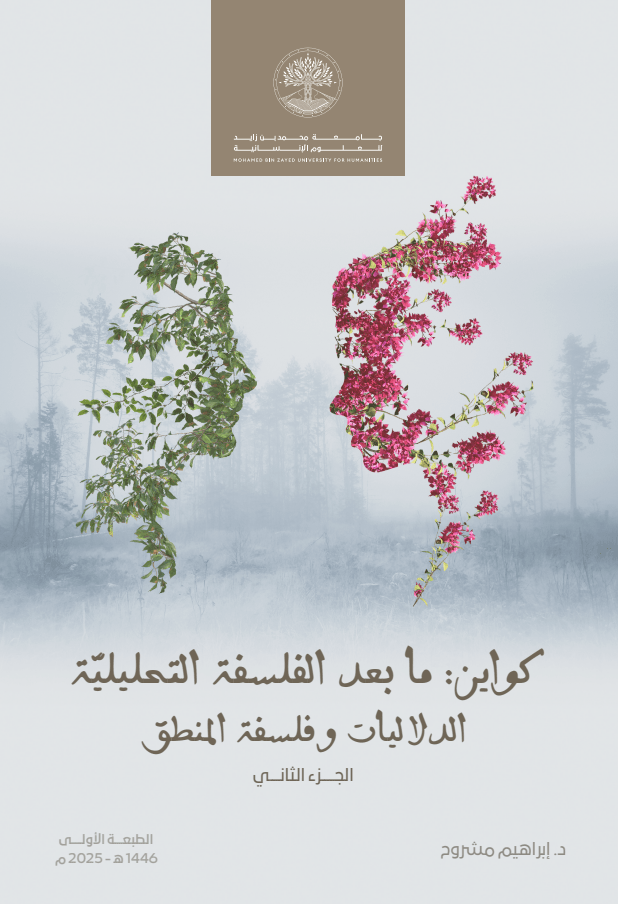
This book brings together chapters that explore key issues in the philosophy of logic, beginning with foundational definitions aimed at clarifying its scope and central problems. It addresses the question of logic’s neutrality across various theories and critiques the conceptual definition of logical truth as potentially invalid. The book also examines challenges to modal logic, particularly the rejection of the concept of necessity and the reassessment of essentialist views. A comprehensive understanding of these issues requires revisiting the logical positivists’ emphasism on linguistic and logical analysis in philosophy. Within this context, Quine’s philosophy of logic emerges as a pivotal critique of the analytic tradition, questioning the assumptions underlying logical theory. His approach signals a post-analytic shift with lasting influence on the philosophy of science, particularly through his challenge to conventional logical structures and his broader philosophical contributions.
613 pages
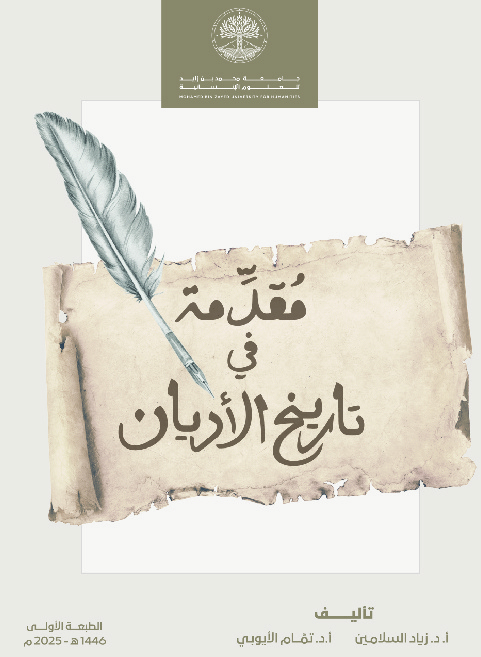
يهدف هذا الكتاب إلى التعريف بأبرز ديانات العالم من حيث تطورها التاريخي، وأصولها، ومبادئها، وطقوسها، وشعائرها الدينية، وكتبها المقدَّسة، ومصادر دراستها التاريخية والآثارية، ويقدِّم تصورًا عامًا عن الفكر الديني القديم والمعاصر، وتعريفًا بالأديان الحية والبائدة، وأطرها الفكرية والعقائدية، وقيمها وأخلاقياتها ومبادئها، عبر عرض مسْحي لأبرز أديان العالم وترتيبها ترتيبًا زمنيًا من الأقدم إلى الأحدث، لتوضيح مراحل تطور الفكر الديني عبر العصور، وتحديد الإطارين التاريخي والجغرافي لكل ديانة، بدءًا من ديانات مجتمعات العصور الحجرية القديمة (أديان عصور ما قبل التاريخ)، وانتهاءً بالإسلام، مستعرضًا خصوصية كل دين، والقيم المشتركة بينها بهدف تعزيز قيم التسامح والعيش المشترك، وقبول الآخر، وتقبُّل الاختلاف، واحترام الخصوصية العقائدية لكل دين، وتبجيل شعور التنوع والتعدد الفكري والعقائدي الذي يفضي إلى الائتلاف والانسجام، والتعريف بالمشترك الإنساني بين الأديان، وبيان مدى تلاقح كل ديانة في الأخرى، وأثر ذلك في السلوك والتفكير.
278 pages
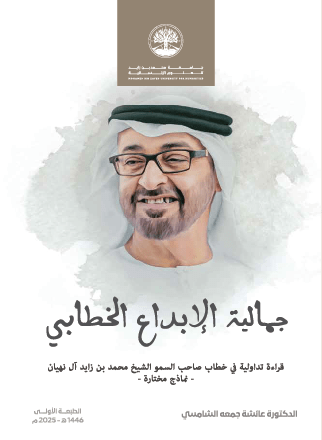
This study analyzes selected speeches of His Highness Sheikh Mohammed bin Zayed Al Nahyan, President of the United Arab Emirates, through the lens of contemporary linguistics. The significance of this analysis stems from the UAE’s pivotal role in the region and its exceptional leadership in social, economic, political, and cultural spheres. In this study, we explore the linguistic features of these speeches, including their stylistic, argumentative, and communicative aspects. We also examine their intellectual content, semantic components, and underlying cultural meanings. Furthermore, we investigate the speaker’s intellectual depth and linguistic proficiency, highlighting how he skillfully utilizes the rich lexical, grammatical, and rhetorical resources of the Arabic language to communicate with his audience. His speeches exhibit a well-structured and thoughtful discourse, conveying profound ideas, forward-looking visions, and strategic aspirations.
280 pages
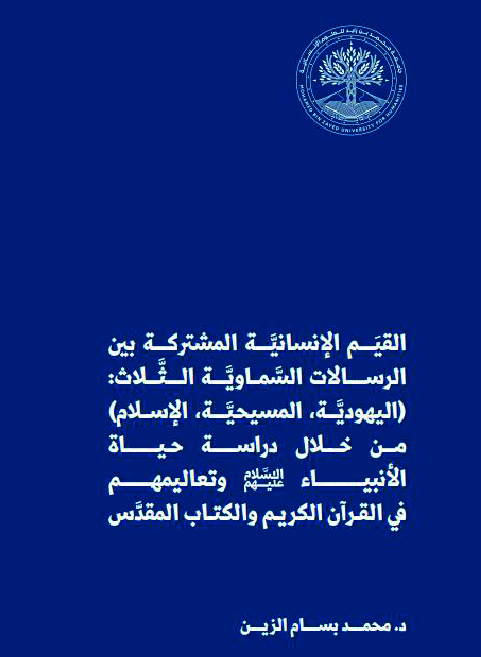
هذا الكتاب يسير بنا في رحلة قرآنية ممتعة نرى فيها التكامل بين الأنبياء في بناء الإنسان وتستخرج من كنوز رسالات السماء أبرز القيم الإنسانية المشتركة التي تدعو إلى حفظ المقاصد الكبرى وتحقيق سعادة الإنسان واحترام كرامته وحريته وحفظ نفسه وماله وعرضه وعقله، وتمكنه من القيام بواجبه في إعمار الأرض بالخيرات، ومراعاة استدامة مواردها للكائنات على مر العصور والأجيال. ويكتشف القارئ للكتاب أن الرسالات السماوية لأبناء العائلة الإبراهيمية مصدرها واحد، يصدق بعضها بعضاً، وأن جميع الأنبياء إخوة في عائلة واحدة، وأن كل نبي من الأنبياء دعا أتباعه وقومه إلى التعاون والتواصل مع أتباع جميع الأنبياء الآخرين. ويورد الكتاب قراءة مقارنة لآيات القرآن الكريم ونصوص الكتاب المقدس ذات الصلة بالقيم الإنسانية المشتركة، حيث توصلت إلى تقديس حياة النفس الإنسانية وكرامتها وتحريم الاعتداء عليها! وأن ما تضمنته تعاليم نبي الله عيسى تتفق تماماً مع القيم التي جاء بها نبي الله موسى وخاتم الأنبياء سيدنا محمد صلوات الله عليهم أجمعين.
116 pages
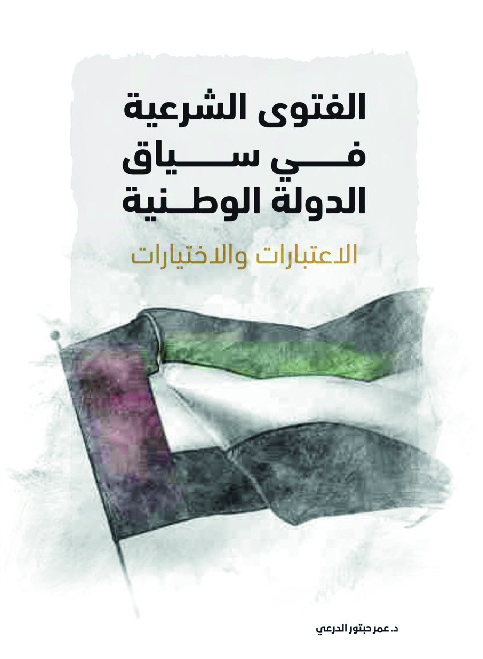
This book highlights the shortcomings in the comprehension of fatwa (Islamic legal opinion) in relation to contemporary realities. It argues that many fatwas disseminated through “fatwa platforms” fail to consider the realities of nation-states and human societies, leading to fragmentation and distortion within the fatwa system and ultimately harming the integrity of Islam. The author calls for the revival of the methodology of “preferred opinions in fatwa” and “civilizational ijtihad”, advocating for its adoption by authoritative fatwa institutions. He emphasizes the need for contemporary scholars to collaborate with experts across various fields to develop a civilizational ijtihad that offers necessary alternatives and provides sustainable, well-suited solutions.
184 pages
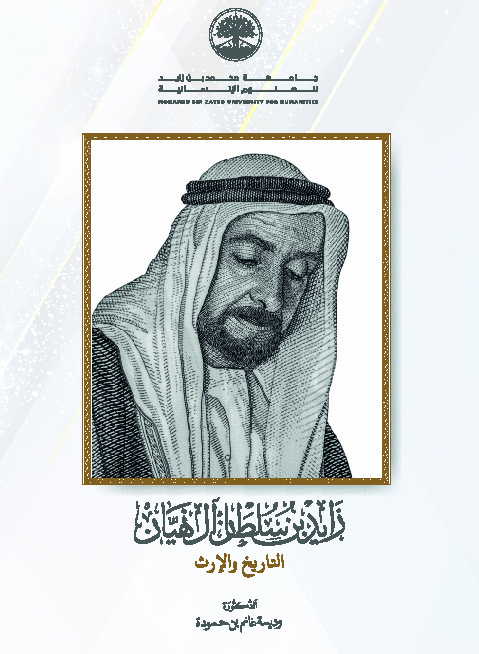
Shaykh Zayed bin Sultan, the founder of the United Arab Emirates, is one of the most prominent Arab and global leaders. His political intelligence and foresight helped unite seven emirates in a single federation on 2 December 1971, raising the flag of the union for the first time and becoming a nation that truly believes nothing is impossible. The UAE’s founding father was responsible for an innumerable list of achievements that helped the nation reach the status it enjoys today. He laid the foundations for every sector in the country and set plans for their future. This study sheds light on the history of the UAE and the family tree of Shaykh Zayed, the Al Nahyan, setting out the most significant achievements made by both.
354 pages
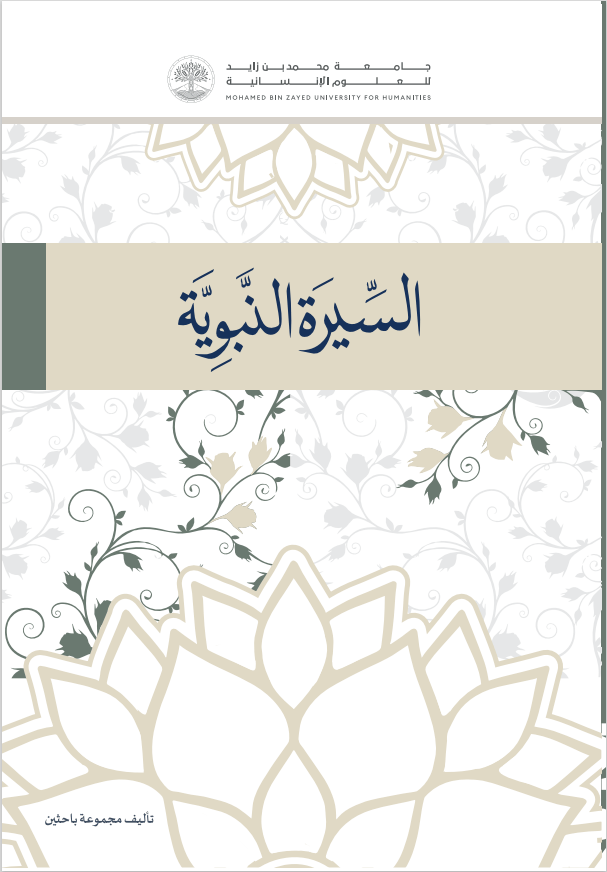
This book offers a new approach to the reading, interpretation, and presentation of the events of the life of the Prophet Muhammad, highlighting the facets of his noble personality. Departing from earlier methods, the work charts new pathways to creatively explore this field and allows readers to view the life of the Prophet through the lens of the core elements of his message: the system of universal human values found in every Divine revelation that promote peaceful coexistence. In addition, the book combines a dedication to reliance upon authentic sources with a critical view when presenting and analyzing these texts.
334 pages
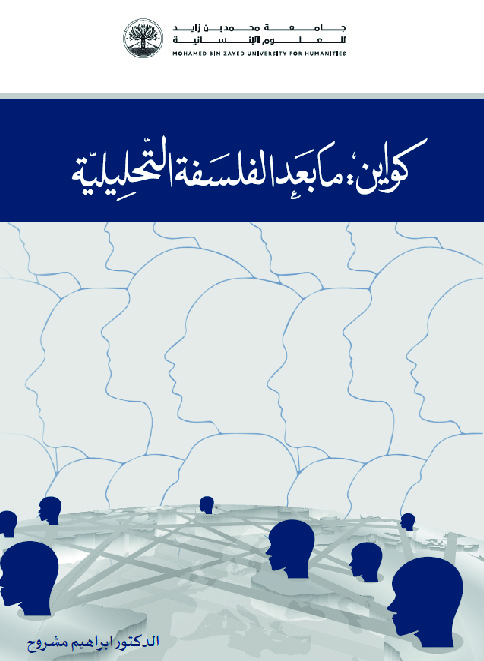
This book explores the significance of semantics and the philosophy of language in the thought of Willard Van Orman Quine (1908–2000), a philosopher, logician, and mathematician who is considered one of the leading figures in contemporary American philosophy. Quine’s philosophy is distinguished by a critical spirit that shaped most of his positions on philosophical issues debated by modern philosophers. He scrutinized the methods of analytical philosophy and undermined the claims of logical empiricists, paving the way for what we consider a post-analytic philosophical stance. Quine’s semantic-logical propositions covered various philosophical domains, including the philosophy of language, logic, and science. Therefore, we have structured this work according to these fields. The first volume, which is currently in hand, examines Quine’s critique of semantic issues that gave rise to his philosophy of language—an essential foundation for his logical, philosophical, and scientific claims. The subsequent volumes will successively address his philosophy of logic and philosophy of science.
337 pages
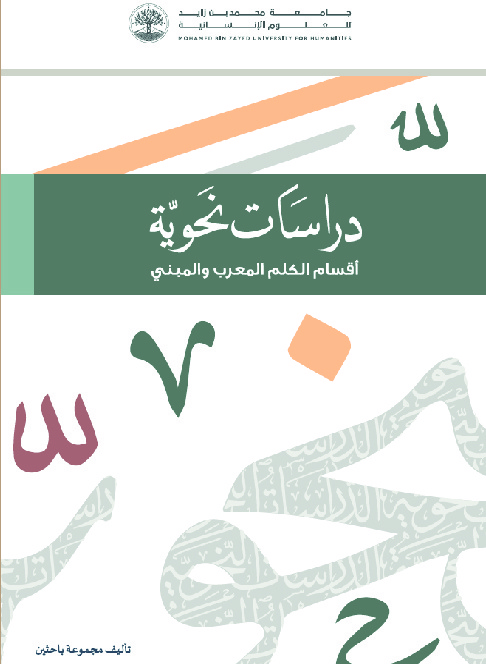
This book presents a modern and innovative approach to two invaluable linguistic disciplines: Nahw (syntax) and Sarf (morphology). Its primary aim is to facilitate learning for readers by relying on two key foundations: a scholarly approach rooted in direct sources from classical scholars and a purely educational perspective based on the extensive professional experience of the book’s authors. The book seeks to meet the needs of those interested in the Arabic language and the humanities, both in terms of knowledge and methodology, through a contemporary approach that aligns with the principles and strategic vision of the university.
458 pages
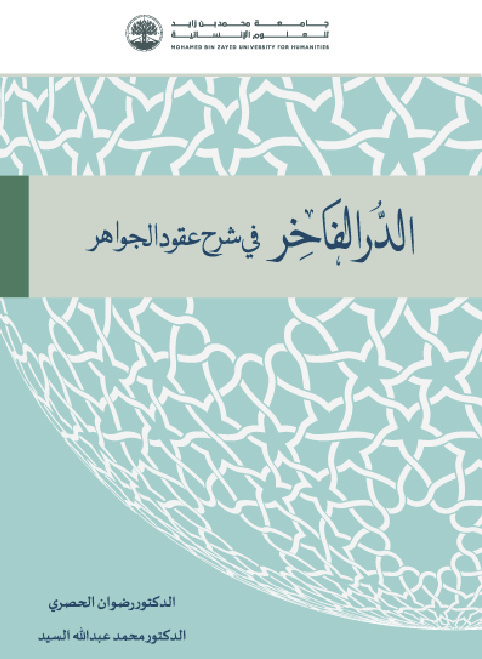
كتاب “الدر الفاخر في شرح عقود الجواهر ومرشد السامع والمتكلم إلى أدب العالم والمتعلم” لأبي يعقوب يوسف بن إبراهيم المغربي الوانوغي؛ هو شرح لمنظومة لامية بعنوان (عقود الجواهر ومرشد السامع والمتكلم إلى أدب العالم والمتعلم) لأبي المحاسن حسام الدين الرهاوي. والكتاب يجمع بين عدة أفكار لعلماء وفقهاء من مختلف العصور، ويقدم أبعاداً إنسانية لعلوم التربية والتعليم، بتناول موضوعات تعالج علوم الأنفس لكونها فرعاً من علوم الإسلام، وشرطا في فهمها، لا سيما ما يتعلق بالعلوم التربوية والتعليمية في تراث الفقهاء. وهو ما ينسجم مع العناية التي أولتها المكتبة التراثية بالجانب التربوي، لا سيما ما يرتبط بالعلم وطلبه، حيث تنظمه جملة من الآداب والأخلاقيات، سواء ما ارتبط منها بالعالم أو المتعلم؛ وذلك لتعزيز الأثر الإيجابي للعملية التعليمية، ولنيل ثمرته والنتيجة المرجوة من تحصيله.
450 pages
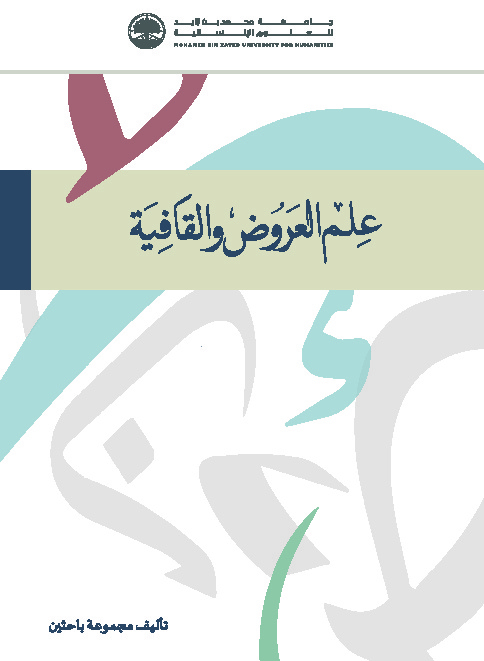
Prosody is a multifaceted discipline that requires the convergence of several factors, including practice, aesthetic sense, natural linguistic intuition, and a deep understanding of poetic culture. While numerous books have been written on the subject, most tend to overwhelm the reader and detract from the appreciation of poetry due to their traditional methods of presenting rules and conventional examples. Through a modern educational approach, the authors have sought to simplify this field by streamlining its rules, focusing only on essential aspects, avoiding unnecessary disputes, and integrating both theoretical and practical components to facilitate comprehension and achieve meaningful learning outcomes.
534 pages
The states of the twenty-first century will not be divided along lines of wealth and poverty, democracy and authoritarianism, but between states that have preserved their capacity to shape the consciousness of successive generations and states that have lost it silently and almost unnoticed. In the twentieth century, the school stood at the heart of modern state-building. In the twenty-first, that same institution has become a site of the state’s erosion. The school is no longer the child’s only source of learning, but it remains the last institution through which the state can shape how its children relate to public life, the nation, and a shared future. When that bond weakens, the consequences are not immediately visible in examination results. They emerge instead in declining trust, weakened belonging, a more fragile collective consciousness, and the state’s diminished ability to carry its project forward across generations. This book introduces the concept of “educational sovereignty” as a new framework for understanding the relationship between education and the stability of the modern state. It starts from a single question: what happens to the state when the school loses its capacity to shape the shared space in which its people live together? This is not a book about education reform. It is a book about what happens to states when the meaning of the school changes. When the history of this century is rewritten, it will not be wars or artificial intelligence that define it, but what happened to schools.
276 pages
"Guiding the Seeker to the Principles of Imam Malik", by the eminent scholar and critical editor Muhammad Yahya al-Walati, is regarded as one of the valuable later works on the principles of the Maliki school. It offers a precise key to understanding these principles, explaining and analysing the sixteen foundational elements of the school arranged in verse by the scholar Ibn Abi Kaff. It does so in a rigorous scholarly style that combines depth of theoretical exposition with accomplished practical application, drawing on textual evidence and examples from the Qur’an and the Sunnah to apply jurisprudential principles to subsidiary legal rulings. The work also includes a valuable appendix on overarching legal maxims. What distinguishes this critical scholarly edition, published by Mohamed bin Zayed University for Humanities, is that it appears for the first time as an edition critically established on the basis of five manuscripts. This has made it possible to produce a text of exceptional accuracy and editorial refinement, with substantial corrections and precise revisions to previous editions, alongside careful attention to the scholarly presentation of the work, annotation, and the preparation of its indexes. It is therefore a pioneering edition, indispensable to every specialised researcher and academic, placing in their hands a critically edited and documented distillation of Maliki legal principles that meets the expectations of professors, researchers and students, and enriches the Maliki juristic library.
106 pages
الاختلاف الفقهي وتنوّع وجوه الاستنباط من محاسن الشريعة الإسلامية، ومظهر لسعتها ورحمتها. غير أنَّ بعض من تعرضوا لمسائل الخلاف جنحوا إلى تضييق ما وسعه الشرع، وأنكروا في مسائل الاجتهاد التي لا ينبغي فيها الإنكار، كما وقع في مسألة القبض والسدل، حتى أنكر القابض على السادل، وأنكر السادل على القابض. وفي هذا السياق يأتي كتاب «مشروعية السدل وسنيته في الصلاة» ليقدم معالجة تأصيلية هادئة للمسألة، انطلاقًا من رؤية فقهية متزنة، مبنية على فكرة أنَّ (القبض سنة، والسدل سنة)، فمع أن الكتاب مخصص لإثبات مشروعية السدل وسنيته استنادًا إلى أصول وأدلة شرعية كعمل أهل المدينة، فإنه لا يلغي سنية القبض ولا ينكرها. ومن خصائصه أنه: ـ يوظف القواعد الأصولية الحاكمة لمسائل الخلاف. ـ يصحح مفهوم حصرية السُّنة في هيئة واحدة. ـ يرسخ ثقافة أدب الاختلاف واحترام التنوع الفقهي. إن هذا العمل لا يقصد أبدا الانتصار لرأي فقهي بعينه؛ بل يحاول التحصين من التعصب والتضييق، واستحضار فقه الائتلاف في مظلة سعة الشريعة وسماحتها.
258 pages
An Introduction to Islamic Knowledge and Values offers a solid body of scholarship, a substantial store of knowledge, and a sound intellectual reference point. It combines a coherent methodological structure with a formative ethical dimension. In doing so, it serves as a moral and practical guide, illuminating the foundations of Islamic knowledge and the human values that every individual should understand and embody. Such understanding enables a person to act with clarity and insight, deepen knowledge, elevate the heart, refine the self, and lead a more upright life. The book seeks to build an integrated body of Islamic knowledge that uplifts the human being intellectually and spiritually, drawing on a firmly rooted religious and national reference framework that seeks to engage the challenges of modern thought and offer a balanced vision. It also calls for the recovery of a value-based reference framework inspired by Islam in both thought and conduct, for the formation of the mind in the light of revelation, and for the shaping of consciousness through enduring values in a manner consistent with the principles of national citizenship and cultural pluralism. At the same time, it rejects excess and deviation on the one hand, and rigidity and insularity on the other. It further calls for these values to be brought meaningfully into contemporary life so that they become lived principles reflected in a person’s words, actions, and relationships.
196 pages
At a time when the contemporary world is marked by conceptual confusion, moral upheaval, and growing distortion of innate human constants, there is an urgent need for a rigorous intellectual discourse. Such a discourse must rebuild the relationship between the human being and religion, between reason and revelation, and between innate disposition and moral responsibility, so that these concepts and values may be restored to their proper foundations after multiple forms of distortion. This book therefore seeks to develop an integrated intellectual vision of a set of pivotal concepts indispensable to doctrinal, intellectual, and educational formation. Its concepts are developed according to a precise scholarly methodology that balances text, reason, innate disposition, and science, and combines grounding with analysis in a concise and rigorous scholarly style. The book comprises a collection of studies addressing central concepts in human and religious thought. It affirms that sound innate disposition, right reason, human values, and infallible revelation are fundamental pillars that work together in forming the well-balanced human being, consolidating the concepts that preserve human nature and uphold human dignity, and opening the way to a sound understanding capable of shaping a balanced and aware generation able to bear the trust of the human being in existence.
240 pages
Amid contemporary intellectual challenges and continuing attempts to appropriate religious texts and interpret them apart from their broader purposes and recognised contexts, extremist readings have emerged. These readings have led to the excommunication of entire societies, the legitimisation of bloodshed, and the deepening of division. This has made it necessary to develop a rigorous scholarly project capable of confronting this deviation at its roots, correcting the concepts that have become distorted within extremist thought, and restoring them to their proper course in the light of the Noble Qur’an, the sound Prophetic guidance, and the higher purposes of religion. Against this background, this book, Major Religious Concepts between Extremist Conceptions and Moderate Understanding, seeks to establish a coherent intellectual vision that reconstructs the central concepts of religious discourse within an integrated legal-religious framework. It promotes the values of moderation, dismantles extremist discourse, and offers a sound reading of religious texts in the light of the spirit and purposes of the Sharia. The book addresses eighteen pivotal concepts that constitute the main pillars of the intellectual structure of extremist groups, concepts that have been exploited, distorted, and ideologically instrumentalised. It seeks to expose the flaws in their understanding, clarify their true meaning, and indicate the soundest way of applying them, so as to restore them to their proper legal-religious context and to highlight the integral relationship between the text and its purposes.
234 pages
يتناول هذا الكتاب جذور نشأة التيارات الإرهابية من الإخوان إلى داعش، كاشفًا دورها في تغذية العنف وتهديد الأمن الفكري والمجتمعي. ويقدّم قراءة نقدية معمّقة ومركزة للمفاهيم التي أعادت هذه التنظيمات تأويلها خارج سياقاتها الشرعية والتاريخية، مستندة إلى توظيف انتقائي للنصوص الدينية بما يخدم أهدافها الأيديولوجية ومصالحها الحزبية. يتناول الكتاب في قسمه الأول نبذة عن تاريخ التيارات الإرهابية، ودورها في صناعة التطرف، وتوظيف العنف، وتهديد الأمن الفكري، ثم يتناول في القسم الثاني المفاهيم الشرعية المختطفة من طرف تنظيم الإخوان المسلمين الإرهابي، معتمدًا – أولًا – على عرض التأصيل الصحيح لهذه المفاهيم، ثم مبيّنًا أوجه الخلل في توظيفها، مبرزًا صورة اختطاف المفاهيم الشرعية وسبُل تحويلها إلى أدوات حزبية ضيقة، الأمر الذي أدى إلى انحراف سلوكي يستند إلى انحراف فكري. وبذلك يضع الكتاب القارئ أمام صورة واضحة تساعده على التمييز بين الفهم الصحيح للمفاهيم الشرعية والنصوص الدينية من جهة؛ وبين التأويلات المنحرفة المخالفة لمقاصد الشريعة، التي أسهمت في صناعة التطرف، وهددت أمن الفرد واستقرار المجتمع من جهة أخرى.
460 pages
The preparation of academic research is one of the principal outcomes of undergraduate education, alongside the acquisition of knowledge and subject-specific competencies. Its importance becomes even greater at postgraduate level, where it provides the methodological framework for the preparation of scholarly articles and master’s and doctoral theses. In view of this importance, this book examines scientific research in both its theoretical and practical dimensions. It begins by defining the concept of research, its types, and its ethics, and by outlining its methodological foundations and the principles that govern sound academic work. It also surveys the main research methods, the criteria for selecting them, and the ways in which they may be used in academic studies. In addition, the book addresses the stages of preparing, writing, documenting, and presenting research in accordance with the recognised academic standards required for the award of a degree. It also takes account of contemporary methodological developments arising from technological progress, particularly the use of artificial intelligence tools in the research process within a framework of academic and ethical responsibility.
568 pages
This book offers a systematic scholarly introduction to psychology as a field of knowledge concerned with the study of human behaviour in its cognitive, emotional, and social dimensions. It adopts a structured academic approach that brings together theoretical foundations and modern methodological perspectives, enabling the reader to develop a comprehensive understanding of the nature and complexity of psychological phenomena. The book analyses human behaviour in its various contexts, highlighting the interaction of internal and external factors in shaping it. It also clarifies the role of psychology in understanding, explaining, predicting, and intervening in behaviour with the aim of improving psychological and social adjustment. It also presents an integrated perspective that encompasses the contributions of both classical schools of psychology and contemporary trends. The book aims to cultivate the reader’s critical and creative thinking and to enable them to understand and analyse psychological concepts and phenomena on a sound scientific basis. It is intended as an academic reference for students, researchers, and all those interested in the study of human behaviour.
1284 pages
This book examines the Rabbinic Torah as an interactive intellectual product that extends beyond mere transmission from Hebrew into Arabic. Rather, it embodies a civilisational moment in which the spirit of two languages converged and two religious traditions coexisted within a single epistemic space through the incorporation of multiple cultural contexts and frames of reference. It traces the journey of the Pentateuch (the first five books of the Torah) from its Hebrew source, then its Aramaic form, and finally to its Arabic-Jewish structure as fashioned by the rabbi Saadia al-Fayyumi in a style that combines philological precision with interpretive openness. Drawing on authentic rabbinic manuscripts that have been critically edited and compared with scholarly and methodological rigour, the book thus establishes a pivotal stage in the formation of the Arabic-Jewish text. This work represents an extension of a cross-religious cultural project and reaches far beyond translation alone. Within it, Islamic and Jewish religious reference points converge with Arabic, Aramaic, and Semitic linguistic sources, thus reshaping the sacred through the interaction of its written and oral forms. In doing so, it reveals the possibilities of deep intercultural exchange, with all the voices, dialects, and interpretations that this entails. The book also reconstructs the text on the basis of foundational primary rabbinic manuscripts that have not been altered or modified in either their Aramaic or Arabic-Jewish form, accompanied by meticulous critical editing that reveals the modes of reception in works of heritage and exegesis, as well as the strategies of translation and textual reconfiguration. This is a book that does not simply recover a text. It illuminates an entire civilisational structure, offers a model for intellectual and religious understanding and mutual recognition, and opens a horizon for research into the intersection of languages with the sacred, at a time when we...
352 pages
يبحث هذا الكتاب في الجذور التاريخية والتشريعية لعقوبتي الرجم والجلد في حضارات العالم القديم منذ الألفية الثالثة قبل الميلاد وحتى بدايات العصر الإسلامي. ويتناول بالدراسة والتحليل السياقات القانونية والاجتماعية والدينية التي نشأت في إطارها هاتان العقوبتان، مبرزًا طبيعة الجرائم التي استوجبت تطبيقهما، وطرائق تنفيذهما، وما حملتاه من دلالات رمزية ووظيفية داخل البنى السياسية والاجتماعية المختلفة. وقد اعتمد المؤلف على طيف واسع من المصادر، شملت النصوص القانونية القديمة، والكتابات التاريخية، والمصادر الدينية، والشواهد الأثرية المصوّرة، مما أتاح بناء رؤية مقارنة شاملة لتطوّر العقوبتين عبر الحضارات.
218 pages
With this third and final part, we seek, as far as possible, to complete our account of Quine’s philosophy. In doing so, we focus on the place of semantic theory in the thought of the Harvard philosopher and on the questions it raised concerning the foundations of analytic philosophy, and of logical positivism in particular. Thus, the first part addressed semantics and the philosophy of language, and this was followed by a second part in which we traced the semantic revisions of the philosophy of logic. In the present part, we turn to the distinctive shift in the philosophy of science, where Quine brought epistemology into the heart of science and advanced a position that sparked wide-ranging debate among scientists and philosophers of science, namely the naturalisation of knowledge, or what he termed naturalised epistemology. Given the overlap and interconnection of philosophical approaches, we also examine the relationship between the philosophy of science and the issues Quine raised in relation to ontology, where he advanced the position of ontological relativity, as well as the problem of translation. He showed that scientific theories may differ from one another even when they concern the same scientific reality, much as the notebooks of translators engaged in radical translation may differ when translating a people whose language has never previously been rendered into another language.
152 pages
انطلق الكتاب من قاعدةٍ مقاصديةٍ أصيلةٍ تقرّر أن الكليات الخمس الضرورية مراعاةٌ في كل شريعة، واتخذ منها منطلقًا للتأمل في آفاق الحوار والتعاون بين أتباع الشرائع الكتابية على أساس المشترك الإنساني الجامع. وقد بنى الباحث فرضيته على وجود اتفاقٍ بين اليهودية والمسيحية والإسلام في المقاصد الكبرى: حفظ الدين، والنفس، والعقل، والنسل، والمال، رغم اختلاف التفاصيل بتنوّع البيئات والسياقات التاريخية. وانطلق من تأصيل الفطرة الإنسانية المشتركة التي يُعَدّ الدين جوهرها الأعمق، ليخلص إلى أن هذه الشرائع السماوية، وإن اختلفت في الجزئيات، تتوحّد في أصول الاعتقاد والمقاصد العامة التي تحفظ النظام الإنساني. ودعا الكاتب إلى استثمار هذا المشترك لتأسيس أرضيةٍ متينةٍ للحوار والتعاون، من خلال قضايا جامعة كصون الأخلاق، وترسيخ السلم، وتعزيز الأسرة، واحترام التعددية الدينية والثقافية، وحماية البيئة، تحقيقًا للكرامة والسعادة الإنسانية، ومع التعاون في تنزيل الأصول والقيم والمقاصد المشتركة الكبرى في الواقع المعاصر.
500 pages
In this book, readers will explore the six core values of Islam: mercy, peace, knowledge, wisdom, self-discipline, and citizenship, along with their related sub-values. These principles play a crucial role in showcasing the radiant civilizational image of Islam, which is deeply rooted in values and aims to achieve universal well-being. This book serves as a guided reference, significantly facilitating cross-cultural communication in the modern world. It contributes to fostering a global understanding of shared values, promoting their activation, safeguarding human dignity, and ensuring the sustainability of civilization.
336 pages
This book examines the concept of Islamic culture—its significance, key characteristics, sources, components, and influence. It aims to present an authentic image of Islamic culture rooted in the teachings of the Qur’an and the Prophetic Sunnah, while reflecting its continuous civilizational development across history. It illustrates how Islamic culture has enriched global civilization through its contributions to both natural and human sciences, resulting in notable intellectual and cultural achievements. This legacy is evident in the emergence of prominent scholars and pioneering works across various fields. It also explores the core values emphasized in Islamic teachings and discusses pressing contemporary challenges, including family issues, extremism, and threats to intellectual and social stability. The book concludes with practical recommendations for addressing these challenges and promoting human well-being through a culture grounded in Islamic ethics and open engagement with modern realities.
504 pages
In one of his lectures titled Process and Reality: An Essay in Cosmology, the English philosopher Alfred North Whitehead famously remarked: “The safest general characterization of the European philosophical tradition is that it consists of a series of footnotes to Plato.” He clarified that he did not mean a strict systematic framework, but rather the richness of general ideas scattered throughout Plato’s writings. A Canadian scholar later affirmed Whitehead’s insight—namely Lloyd Gerson, who argued that philosophy must be Platonic or cease to be philosophy at all. Should it abandon its Platonic spirit—as some modern philosophers suggest by adopting a naturalistic worldview—this would, in Gerson’s view, mark its suicide. Why, then, must philosophy remain, at its core, Platonic? And why is it incompatible with a purely naturalistic orientation?This book sets out to explore these questions and others closely related to them.
194 pages
This book represents a significant intellectual contribution that underscores the pivotal role of the family in sustaining society and preserving its values. Beyond documenting the lived experiences of Abu Dhabi’s Bedouin community, it serves as a cultural bridge connecting generations, affirming the importance of memory as an authentic source of social knowledge. By highlighting the voices of those who witnessed key historical transformations, the work situates the family as a central pillar in balancing tradition with modernity, offering lessons of resilience and cohesion. More than a historical record, it is also a call to action: to honor and safeguard this heritage with the same loyalty as our predecessors, and to ensure that its values are carried forward to future generations. In doing so, it reminds us that the preservation of heritage is not a passive act of remembrance, but an active responsibility that shapes identity, fortifies unity, and secures a promising future for the nation.
97 pages
آثر الكتاب أن يجعل منطلقه في الاشتباك الفكري مع جماعة الإخوان المسلمين الثلاثة الأركان التي رفعوا عليها بناءهم الفكري برمته، ممثلة في استعادة الخلافة الإسلامية، والحاكمية، والأمة في مقابل الوطن، كاشفا بهذا الخصوص، ضمن حدود العمل الضيقة، عن صنوف من التلبيسات وضروب من التضليلات التي يعسر على العوام كشفها وتزييفها. ثم عطف الكتاب ببيان الوسائل التي اصطنعتها هذه الجماعة من أيام مؤسسها، لتحقيق أهدافها، التي لا تخطئ عين ناقدة رؤيتها على حقيقتها، بعيدا عن التمسح العاطفي بالإسلام وادعاء إشاعته ونصرته: رغبةً هوسية في السلطة والهيمنة، وتنفيذا أثيما لأجندات قوى عالمية مشبوهة، تصرُّ على تفتيت بلادنا، وإخسار قضايانا العادلة والمصيرية، ومن ثم، تركنا، أرضا وشعوبا، نهبا للطامعين وميدانا للواغلين والصائلين. وقد تخيّر الكتاب من تلكم الوسائل، خمسا، قدّر أنها الأخطر والأفعل، وهي: التراتبية الصارمة، الحصرية واحتكار تفسير الدين، الطاعوية، التقية والكذب والتلون، والإرهاب معجلا ومؤجلا. والله تعالى هو المرجو وحده، والمدعو دوما، أن يبصر المسلمين بحقيقة هذا التنظيم الخارجي المنحرف عن صحيح الدين، وأن يحفظ أمتنا وشعوبنا من مكره وشره.
248 pages
This book seeks to clarify the point of contention between critics and defenders of philosophy by addressing four fundamental questions commonly faced by those approaching the discipline. First: Why philosophy? What is its purpose, and is it truly needed? Second: For whom is philosophy? Who is its intended audience, and who truly needs it? Third: What is philosophy about? That is, what are the subjects and fields it investigates? Fourth: Where is philosophy heading? In other words, what is the direction and relevance of philosophy today? The book aims to answer these core questions in a clear and accessible manner. Ultimately, it is intended to introduce philosophy to the curious reader, to reintroduce it to those who once turned away from it, or to refresh the memory of readers already familiar with philosophy and eager to revisit the discipline with a renewed sense of connection.
219 pages
This book offers a clear and engaging introduction to modern science and to Islam’s view of it from religious, epistemological, and civilizational perspectives. Using historical reviews, fundamental questions on nature, and foundational concepts, the book traces the emergence of modern science and its distinctive methodology, arriving at the essential, established knowledge that every educated reader should possess in physics, astronomy, and biology. The book then addresses key critiques of modern science, including those raised by Muslim thinkers, and explores debated topics such as evolutionary theory, genetic engineering, and climate change, assessing their place within the Islamic worldview. At a time of mounting global developmental challenges, the book advocates for an open, mature, and responsible scientific culture, one that balances science and faith and equips people (Muslims and non-Muslims) with the necessary knowledge and tools to engage the modern world with both confidence and critical insight.
213 pages
This book brings together chapters that explore key issues in the philosophy of logic, beginning with foundational definitions aimed at clarifying its scope and central problems. It addresses the question of logic’s neutrality across various theories and critiques the conceptual definition of logical truth as potentially invalid. The book also examines challenges to modal logic, particularly the rejection of the concept of necessity and the reassessment of essentialist views. A comprehensive understanding of these issues requires revisiting the logical positivists’ emphasism on linguistic and logical analysis in philosophy. Within this context, Quine’s philosophy of logic emerges as a pivotal critique of the analytic tradition, questioning the assumptions underlying logical theory. His approach signals a post-analytic shift with lasting influence on the philosophy of science, particularly through his challenge to conventional logical structures and his broader philosophical contributions.
613 pages
يهدف هذا الكتاب إلى التعريف بأبرز ديانات العالم من حيث تطورها التاريخي، وأصولها، ومبادئها، وطقوسها، وشعائرها الدينية، وكتبها المقدَّسة، ومصادر دراستها التاريخية والآثارية، ويقدِّم تصورًا عامًا عن الفكر الديني القديم والمعاصر، وتعريفًا بالأديان الحية والبائدة، وأطرها الفكرية والعقائدية، وقيمها وأخلاقياتها ومبادئها، عبر عرض مسْحي لأبرز أديان العالم وترتيبها ترتيبًا زمنيًا من الأقدم إلى الأحدث، لتوضيح مراحل تطور الفكر الديني عبر العصور، وتحديد الإطارين التاريخي والجغرافي لكل ديانة، بدءًا من ديانات مجتمعات العصور الحجرية القديمة (أديان عصور ما قبل التاريخ)، وانتهاءً بالإسلام، مستعرضًا خصوصية كل دين، والقيم المشتركة بينها بهدف تعزيز قيم التسامح والعيش المشترك، وقبول الآخر، وتقبُّل الاختلاف، واحترام الخصوصية العقائدية لكل دين، وتبجيل شعور التنوع والتعدد الفكري والعقائدي الذي يفضي إلى الائتلاف والانسجام، والتعريف بالمشترك الإنساني بين الأديان، وبيان مدى تلاقح كل ديانة في الأخرى، وأثر ذلك في السلوك والتفكير.
278 pages
This study analyzes selected speeches of His Highness Sheikh Mohammed bin Zayed Al Nahyan, President of the United Arab Emirates, through the lens of contemporary linguistics. The significance of this analysis stems from the UAE’s pivotal role in the region and its exceptional leadership in social, economic, political, and cultural spheres. In this study, we explore the linguistic features of these speeches, including their stylistic, argumentative, and communicative aspects. We also examine their intellectual content, semantic components, and underlying cultural meanings. Furthermore, we investigate the speaker’s intellectual depth and linguistic proficiency, highlighting how he skillfully utilizes the rich lexical, grammatical, and rhetorical resources of the Arabic language to communicate with his audience. His speeches exhibit a well-structured and thoughtful discourse, conveying profound ideas, forward-looking visions, and strategic aspirations.
280 pages
هذا الكتاب يسير بنا في رحلة قرآنية ممتعة نرى فيها التكامل بين الأنبياء في بناء الإنسان وتستخرج من كنوز رسالات السماء أبرز القيم الإنسانية المشتركة التي تدعو إلى حفظ المقاصد الكبرى وتحقيق سعادة الإنسان واحترام كرامته وحريته وحفظ نفسه وماله وعرضه وعقله، وتمكنه من القيام بواجبه في إعمار الأرض بالخيرات، ومراعاة استدامة مواردها للكائنات على مر العصور والأجيال. ويكتشف القارئ للكتاب أن الرسالات السماوية لأبناء العائلة الإبراهيمية مصدرها واحد، يصدق بعضها بعضاً، وأن جميع الأنبياء إخوة في عائلة واحدة، وأن كل نبي من الأنبياء دعا أتباعه وقومه إلى التعاون والتواصل مع أتباع جميع الأنبياء الآخرين. ويورد الكتاب قراءة مقارنة لآيات القرآن الكريم ونصوص الكتاب المقدس ذات الصلة بالقيم الإنسانية المشتركة، حيث توصلت إلى تقديس حياة النفس الإنسانية وكرامتها وتحريم الاعتداء عليها! وأن ما تضمنته تعاليم نبي الله عيسى تتفق تماماً مع القيم التي جاء بها نبي الله موسى وخاتم الأنبياء سيدنا محمد صلوات الله عليهم أجمعين.
116 pages
This book highlights the shortcomings in the comprehension of fatwa (Islamic legal opinion) in relation to contemporary realities. It argues that many fatwas disseminated through “fatwa platforms” fail to consider the realities of nation-states and human societies, leading to fragmentation and distortion within the fatwa system and ultimately harming the integrity of Islam. The author calls for the revival of the methodology of “preferred opinions in fatwa” and “civilizational ijtihad”, advocating for its adoption by authoritative fatwa institutions. He emphasizes the need for contemporary scholars to collaborate with experts across various fields to develop a civilizational ijtihad that offers necessary alternatives and provides sustainable, well-suited solutions.
184 pages
Shaykh Zayed bin Sultan, the founder of the United Arab Emirates, is one of the most prominent Arab and global leaders. His political intelligence and foresight helped unite seven emirates in a single federation on 2 December 1971, raising the flag of the union for the first time and becoming a nation that truly believes nothing is impossible. The UAE’s founding father was responsible for an innumerable list of achievements that helped the nation reach the status it enjoys today. He laid the foundations for every sector in the country and set plans for their future. This study sheds light on the history of the UAE and the family tree of Shaykh Zayed, the Al Nahyan, setting out the most significant achievements made by both.
354 pages
This book offers a new approach to the reading, interpretation, and presentation of the events of the life of the Prophet Muhammad, highlighting the facets of his noble personality. Departing from earlier methods, the work charts new pathways to creatively explore this field and allows readers to view the life of the Prophet through the lens of the core elements of his message: the system of universal human values found in every Divine revelation that promote peaceful coexistence. In addition, the book combines a dedication to reliance upon authentic sources with a critical view when presenting and analyzing these texts.
334 pages
This book explores the significance of semantics and the philosophy of language in the thought of Willard Van Orman Quine (1908–2000), a philosopher, logician, and mathematician who is considered one of the leading figures in contemporary American philosophy. Quine’s philosophy is distinguished by a critical spirit that shaped most of his positions on philosophical issues debated by modern philosophers. He scrutinized the methods of analytical philosophy and undermined the claims of logical empiricists, paving the way for what we consider a post-analytic philosophical stance. Quine’s semantic-logical propositions covered various philosophical domains, including the philosophy of language, logic, and science. Therefore, we have structured this work according to these fields. The first volume, which is currently in hand, examines Quine’s critique of semantic issues that gave rise to his philosophy of language—an essential foundation for his logical, philosophical, and scientific claims. The subsequent volumes will successively address his philosophy of logic and philosophy of science.
337 pages
This book presents a modern and innovative approach to two invaluable linguistic disciplines: Nahw (syntax) and Sarf (morphology). Its primary aim is to facilitate learning for readers by relying on two key foundations: a scholarly approach rooted in direct sources from classical scholars and a purely educational perspective based on the extensive professional experience of the book’s authors. The book seeks to meet the needs of those interested in the Arabic language and the humanities, both in terms of knowledge and methodology, through a contemporary approach that aligns with the principles and strategic vision of the university.
458 pages
كتاب “الدر الفاخر في شرح عقود الجواهر ومرشد السامع والمتكلم إلى أدب العالم والمتعلم” لأبي يعقوب يوسف بن إبراهيم المغربي الوانوغي؛ هو شرح لمنظومة لامية بعنوان (عقود الجواهر ومرشد السامع والمتكلم إلى أدب العالم والمتعلم) لأبي المحاسن حسام الدين الرهاوي. والكتاب يجمع بين عدة أفكار لعلماء وفقهاء من مختلف العصور، ويقدم أبعاداً إنسانية لعلوم التربية والتعليم، بتناول موضوعات تعالج علوم الأنفس لكونها فرعاً من علوم الإسلام، وشرطا في فهمها، لا سيما ما يتعلق بالعلوم التربوية والتعليمية في تراث الفقهاء. وهو ما ينسجم مع العناية التي أولتها المكتبة التراثية بالجانب التربوي، لا سيما ما يرتبط بالعلم وطلبه، حيث تنظمه جملة من الآداب والأخلاقيات، سواء ما ارتبط منها بالعالم أو المتعلم؛ وذلك لتعزيز الأثر الإيجابي للعملية التعليمية، ولنيل ثمرته والنتيجة المرجوة من تحصيله.
450 pages
Prosody is a multifaceted discipline that requires the convergence of several factors, including practice, aesthetic sense, natural linguistic intuition, and a deep understanding of poetic culture. While numerous books have been written on the subject, most tend to overwhelm the reader and detract from the appreciation of poetry due to their traditional methods of presenting rules and conventional examples. Through a modern educational approach, the authors have sought to simplify this field by streamlining its rules, focusing only on essential aspects, avoiding unnecessary disputes, and integrating both theoretical and practical components to facilitate comprehension and achieve meaningful learning outcomes.